

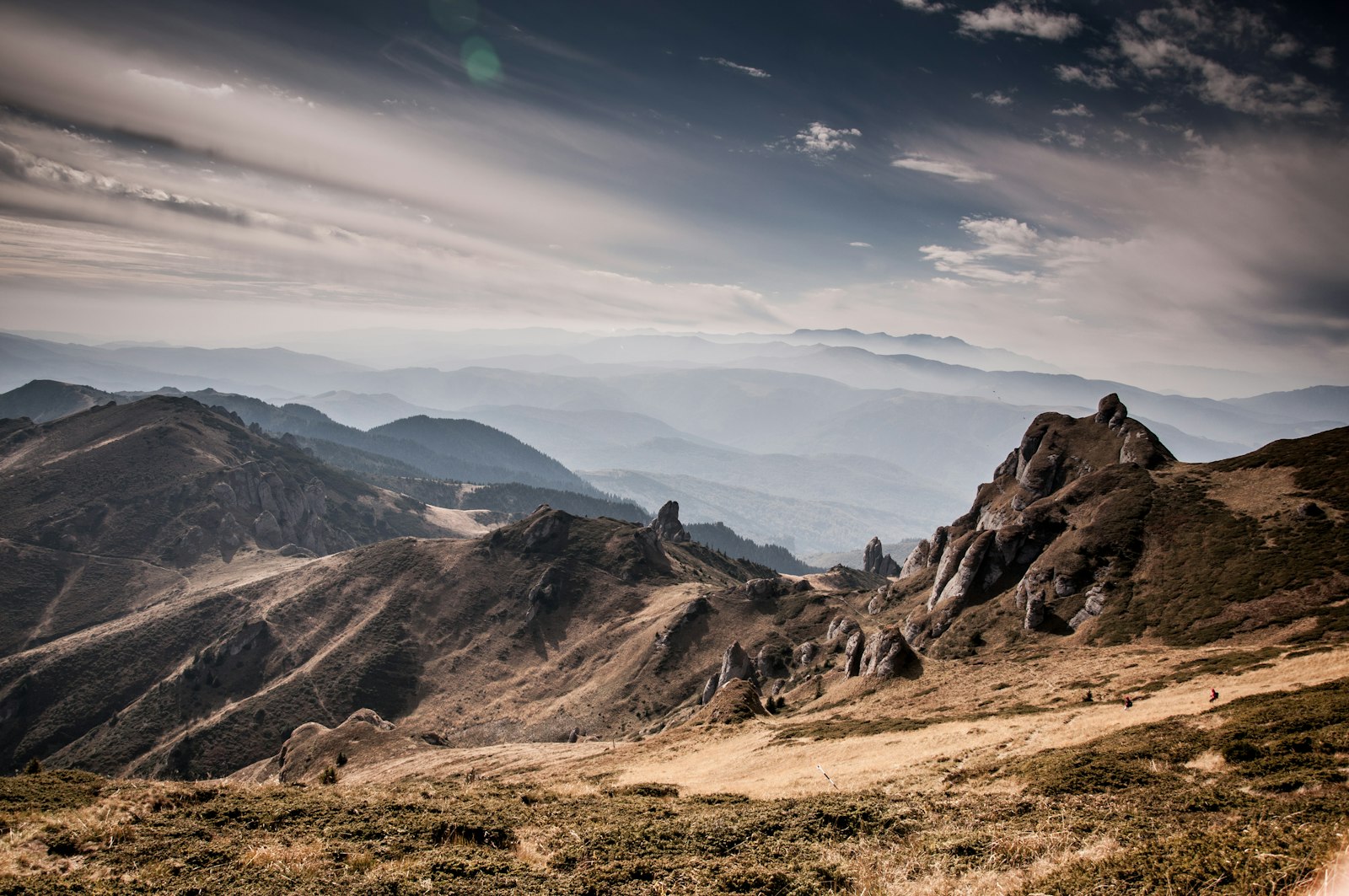
A short string of characters can unlock a world you have never seen. In Minecraft, the community-maintained Minecraft Wiki says there are more than 18 quintillion possible worlds, and the game builds them using randomness, algorithms, and some manually built decorations. That trick has a name: procedural generation. Instead of storing every mountain and cave, the game follows rules to create them on demand.
The Basic Idea: Rules Instead of Hand-Placed Content
Traditional level design means an artist or designer places everything by hand. Procedural generation hands part of that job to an algorithm. The designers define the ingredients and the rules, and the computer assembles the result. The Minecraft Wiki describes world generation as the process the game uses to algorithmically generate terrain, biomes, and features, and so decide which blocks go where.
The benefits are practical. A small team can offer a huge amount of terrain, and every playthrough can feel different. The cost is control: a generator can produce a beautiful valley or an unfair dead end, which is why many games blend generated content with hand-made pieces.
Seeds: Why “Random” Worlds Can Be Repeated
Procedural does not mean unpredictable. Most generators start from a seed, a value that acts as the starting point. According to the wiki’s page on the world seed, the algorithm always outputs the same result from the same starting point, so the same seed generates the same terrain every time. Type a word or phrase and the game converts it into a 32-bit integer; use a full numeric seed and you can reach the whole set of 2^64 possible worlds.
This is why players can share a seed with a friend instead of a giant save file. It also explains a catch the same page notes: when the generation algorithm is updated, the same seed no longer produces the same terrain. The wiki adds that Java and Bedrock editions produce the same terrain and biomes from a 64-bit seed, while structures, features, and mob spawns differ. Matching worlds across platforms takes more than a shared seed, a theme we touch on in our look at how cross-platform play works.
Noise: Giving Randomness a Shape
Pure randomness makes poor landscapes. Per the Minecraft Wiki, it leaves terrain and biomes chaotic with no continuity, so the game uses gradient noise algorithms such as Perlin noise instead. Imagine rolling hills rather than a field of static: neighboring points have similar values, so the ground rises and falls smoothly.
Developers then layer several noise functions with different frequencies and amplitudes and add them together. The wiki calls these layers octaves. Broad, slow layers shape continents and mountain ranges, while faster, smaller ones add bumps and roughness. The same page says biomes in Minecraft depend on six parameters: temperature, humidity, continentalness, erosion, weirdness, and depth. Change the inputs and the same machinery produces desert, tundra, or jungle.
Where Procedural Generation Shows Up Beyond Minecraft
The approach is not limited to block worlds. No Man’s Sky describes itself on its official about page as a game of exploration and survival in an infinite procedurally generated galaxy, where every planet’s landscape is different from the next. Roguelikes use similar ideas to shuffle rooms and items so each run plays differently.
The tools are now mainstream too. Epic Games’ documentation for the Procedural Content Generation Framework in Unreal Engine calls it a toolset for creating your own procedural content, scaling from asset utilities such as buildings or biome generation up to entire worlds. In other words, developers do not have to write a generator from scratch to use the technique.
What It Means When You Play
Generated worlds can feel vast but sometimes samey, because rules repeat patterns. The best examples mix algorithmic variety with handcrafted landmarks, the way Minecraft combines generated terrain with built decorations. Generation also needs computing power, and heavy worlds benefit from good frame rates, which is where upscaling comes in; our guide to DLSS and FSR explains that side of the story.
FAQs
What is procedural generation in video games?
It is a method where an algorithm creates game content, such as terrain, levels, or items, from a set of rules rather than a designer placing each piece by hand. Developers control the ingredients and the rules, and the computer produces the variations.
Is procedural generation the same as random?
Not quite. Most systems start from a seed, and the same seed produces the same result each time, as the Minecraft Wiki explains. Randomness is shaped by rules and noise functions, so outcomes are repeatable and structured.
What is a seed in a game?
A seed is the starting value a generator uses to build a world. Sharing it lets another player recreate the same terrain, provided both are running a compatible version of the game, since algorithm updates can change what a seed produces.
Do games rely only on procedural generation?
No. Many mix generated content with hand-made elements. The Minecraft Wiki notes that its worlds combine randomness and algorithms with manually built decorations, which helps keep generated spaces feeling designed.










Discussion about this post