

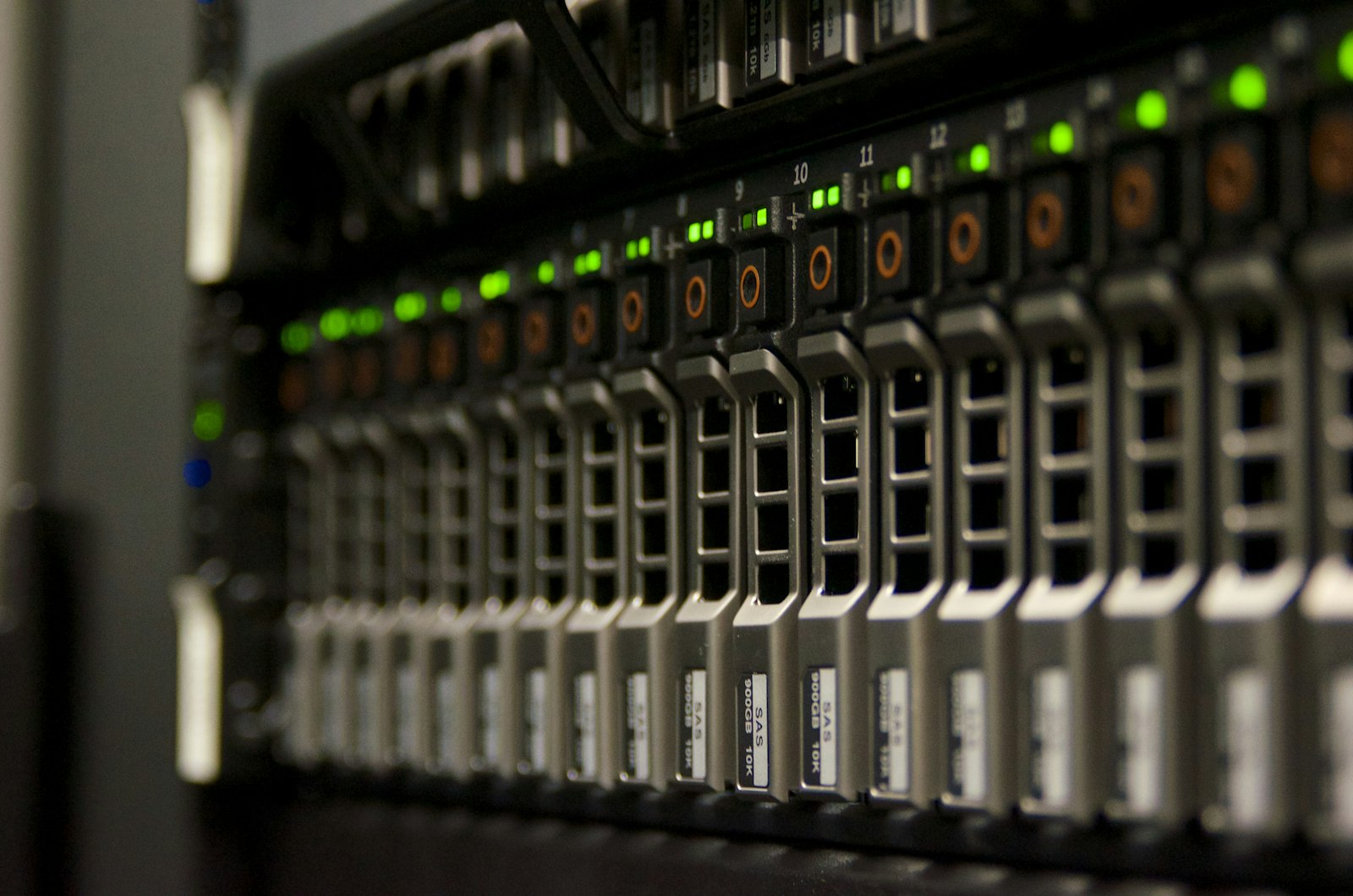
You type a question into a chatbot, press enter, and an answer streams back in a couple of seconds. It feels weightless. In reality, your words just traveled to a warehouse-sized building full of humming chips, where a rack of hardware did a mountain of arithmetic on your behalf and then handed the result back. Those buildings are AI data centers, and they are the reason the electricity industry has started talking about artificial intelligence as an energy story.
This guide explains what sets them apart from ordinary data centers, where all the power goes, and what can realistically bring the appetite down.
What an AI Data Center Is
A traditional data center hosts websites, email, storage, and business software. An AI-focused one does the same kind of hosting, but its racks are packed with accelerators, mostly graphics processors and similar chips built for the matrix math behind modern models. If you want the hardware basics, our explainer on CPUs, GPUs, and NPUs covers why these chips are so good at the job.
The International Energy Agency puts the connection bluntly in its report on the subject: “There is no AI without energy – specifically electricity for data centres.” The agency says the report includes projections for how much electricity AI could consume over the next decade and what that could mean for energy security, emissions, and affordability. This article does not repeat specific forecast figures, because they differ between studies and change as new hardware arrives.
Training vs. Using a Model
AI’s electricity use comes in two distinct phases, and it helps to keep them apart.
- Training. Building a large model means running enormous numbers of calculations over huge amounts of data, often across thousands of chips working together for weeks or months. This is a one-off, front-loaded cost for each model version.
- Inference. Every time someone asks a question, generates an image, or has a document summarized, the trained model runs again. One request is small, but millions of people making requests every day add up, and this ongoing use is why the load never really switches off.
For a plain-language look at what a model is actually computing during those requests, see how large language models work.
Where the Electricity Goes
The chips are the obvious consumer, but they are not the whole bill. Roughly speaking, an AI facility spends power in four places:
- Computing. The accelerators themselves, which run hot because so much arithmetic is packed into so little space.
- Cooling. Everything that turns electricity into computation also turns it into heat, and that heat has to be removed. Cooling systems range from air handling to liquid circuits that carry heat away from the chips directly.
- Networking. Thousands of chips must exchange data constantly, so fast switches and fiber links are a real part of the load.
- Power conversion. Electricity from the grid is stepped down and converted several times before it reaches a chip, and each step wastes a little.
Because heat and density drive so many design choices, newer AI facilities often look different from older ones, with heavier power feeds and more liquid cooling than a typical office-and-web-server hall.
Why It Matters Beyond the Tech Industry
Large facilities draw power continuously, and they tend to cluster where electricity, land, and network links are available. That can strain local grids, lengthen waiting lists for new connections, and push utilities to build or buy more supply. It also ties AI growth to questions people care about: whether the new power comes from clean sources, how much water cooling uses in dry regions, and who pays for grid upgrades. The IEA frames these as security, emissions, and affordability questions, which is a useful lens for reading news about new data center projects.
What Can Bring the Appetite Down
The picture is not simply “more AI, more power forever.” Several forces push the other way:
- More efficient chips. Each hardware generation tends to deliver more computing per unit of energy.
- Smaller, specialized models. Many tasks do not need a giant model. Our guide to small language models shows how compact models can handle quick jobs at a fraction of the cost.
- Running on the device. When your phone or laptop handles a task locally, it skips a trip to the data center. We cover that approach in on-device AI.
- Better software. Techniques such as compressing model weights and caching repeated work reduce how much computing each answer needs.
- Smarter cooling and siting. Heat reuse, efficient cooling designs, and locating facilities near abundant clean power all lower the footprint.
The catch is that efficiency gains can be swallowed by growth. If AI becomes cheaper and faster, people tend to use it more, so total demand can still rise even while each individual request gets leaner.
What You Can Do as a User
Individual choices are small next to industrial-scale decisions, but a few habits are sensible. Use a lighter tool when a simple search or spell-checker will do, avoid regenerating images or long answers out of idle curiosity, and prefer on-device features for quick tasks. None of this is a moral test; it is just matching the size of the tool to the size of the job.
FAQs
Why do AI data centers use more power than regular ones?
They pack far more computing into each rack, using accelerators that draw a lot of power and produce a lot of heat. Cooling that heat and moving data between thousands of chips adds further load.
Is training or using an AI model more energy-hungry?
Training a large model takes a huge burst of energy, while using it costs a little per request but continues for as long as people use it. Which one dominates depends on how widely the model is used.
Do AI data centers use water?
Some do, because certain cooling designs use water to carry heat away. The amount depends on the cooling method and the climate, and many operators are moving toward designs that use less.
Can AI become more energy efficient?
Yes. Better chips, smaller models, on-device processing, and improved software all reduce the energy needed per task, though total demand may still grow if usage keeps climbing.
Where can I find reliable numbers on AI’s electricity use?
Look to primary sources such as the International Energy Agency’s energy and AI report, and treat single headline figures with caution, since estimates vary by method and date.










Discussion about this post