

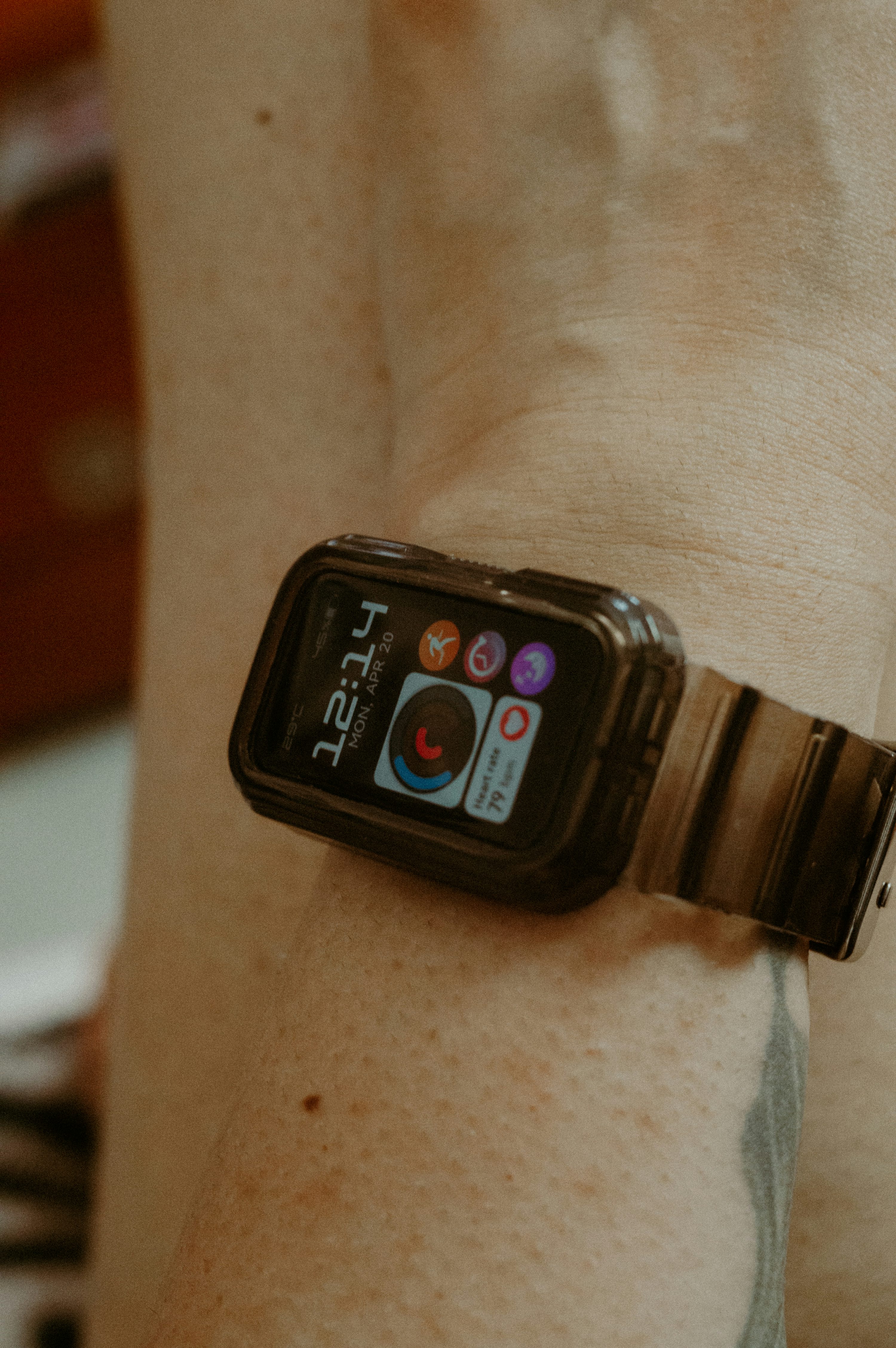
Wearable tech has quietly become one of the most useful categories in consumer electronics. What started as basic step counters has turned into a genuine health and productivity toolkit you wear on your wrist or finger. If you’re trying to make sense of the current lineup of smart wearables, smartwatches, fitness trackers, and smart rings, here’s a practical breakdown of what’s actually worth considering and why.
Smartwatches: The All-Rounders
Smartwatches remain the most versatile category, combining notifications, apps, and health tracking in one device. A few standouts illustrate the range of options available right now, according to TechAdvisor’s current smartwatch roundup:
- Apple Watch Series 11 is the pick for iPhone owners, offering improved health tracking within Apple’s tightly integrated ecosystem.
- Google Pixel Watch 4 pairs a polished Wear OS experience with Google’s Health Coach features, making it a strong all-around pick for Android users who want a design-forward option.
- Samsung Galaxy Watch 8 leans heavily into fitness and health tracking with Samsung’s One UI Watch software, and has shifted its built-in assistant from Google Assistant to Gemini AI.
- Garmin Venu 4 is built specifically for runners and endurance athletes, with dual-band GPS and notably longer battery life than most general-purpose smartwatches.
If battery anxiety is your main hesitation with smartwatches, it’s worth knowing the category has genuinely improved here. Some current models now stretch to a week or more between charges, according to TechAdvisor, a big shift from the daily-charging norm of a few years ago.
Smart Rings: Health Tracking Without a Screen
Smart rings have carved out a real niche for people who want health tracking, such as sleep, heart rate, and recovery, without wearing a screen on their wrist all day. They trade notifications and apps for a smaller, lighter form factor and often longer battery life than a smartwatch. If your main interest is sleep and recovery data rather than notifications and apps, a ring is worth comparing against a watch before you buy either.
Fitness Trackers: Budget-Friendly Health Tracking
If a full smartwatch is more than you need, dedicated fitness trackers focus on the core health metrics, such as steps, heart rate, and sleep, at a lower price point and often with significantly longer battery life. Consumer Reports notes that “nearly all of today’s watches track the basics, like sleep, steps, heart rate, and workout length and intensity,” which means the core experience across budget and premium devices is closer than the price gap suggests. Where premium devices pull ahead is in extras like fall detection, skin temperature sensing, and more advanced recovery metrics.
What Actually Matters When Choosing a Wearable
- Ecosystem fit: An Apple Watch requires an iPhone; most Wear OS watches work best with Android. Check compatibility before anything else.
- What you’ll actually use: If you won’t check notifications on your wrist, a smart ring or basic tracker may serve you better, and cost less, than a full smartwatch.
- Battery life vs. features: More sensors and a brighter always-on display generally mean more frequent charging. Decide which trade-off you’re willing to make.
- Health tracking depth: Basic step and heart-rate tracking is now standard across nearly every device. If you need something specific, such as ECG, blood oxygen, or skin temperature, verify it’s included before buying, since these features vary by model and aren’t universal even on premium devices.
Pairing a Wearable With Your Other Smart Devices
Wearables increasingly work best as part of a broader connected setup rather than in isolation. For example, some smartwatches can now trigger routines on smart home devices like thermostats and lights based on your activity or sleep data. If you’re building out a smart home alongside a new wearable, it’s worth checking device compatibility across both categories before you commit to an ecosystem.
Budget Options Worth Considering
You don’t need a flagship device to get real value. Budget-friendly options like the OnePlus Watch 2R deliver solid battery life and core fitness tracking at a fraction of flagship pricing, and Xiaomi’s current Watch 5 is specifically noted for extended battery life, up to multiple days in standard use and considerably longer in power-saving mode, per TechAdvisor’s testing. For more picks in this range, see our broader roundup of affordable tech gadgets and tech gadgets worth trying right now.
FAQs
Do I need a smartwatch or would a fitness tracker be enough?
If you mainly want step counts, heart rate, and sleep tracking, a dedicated fitness tracker covers the essentials at a lower price. A smartwatch makes sense if you also want notifications, apps, and payments on your wrist.
Are smart rings as accurate as smartwatches for health tracking?
Smart rings are generally competitive for sleep and heart rate tracking, since they sit against a well-perfused area of skin. They trade off notifications and apps for a smaller, more discreet form factor.
Which wearable has the best battery life?
It varies by category and model. Some current smartwatches now reach roughly a week between charges, and dedicated fitness trackers and smart rings often last longer still, since they run fewer power-hungry features like bright always-on displays.
Do smartwatches only work with matching phone brands?
Largely, yes. Apple Watch requires an iPhone, and most Wear OS watches are built primarily for Android, though some basic functionality may work across ecosystems. Always check compatibility before buying.
Is it worth buying a budget wearable instead of a flagship model?
Often, yes. Core health tracking is now fairly consistent across price tiers. Budget models typically sacrifice extras like advanced sensors, cellular connectivity, or premium materials rather than core accuracy.







Discussion about this post