

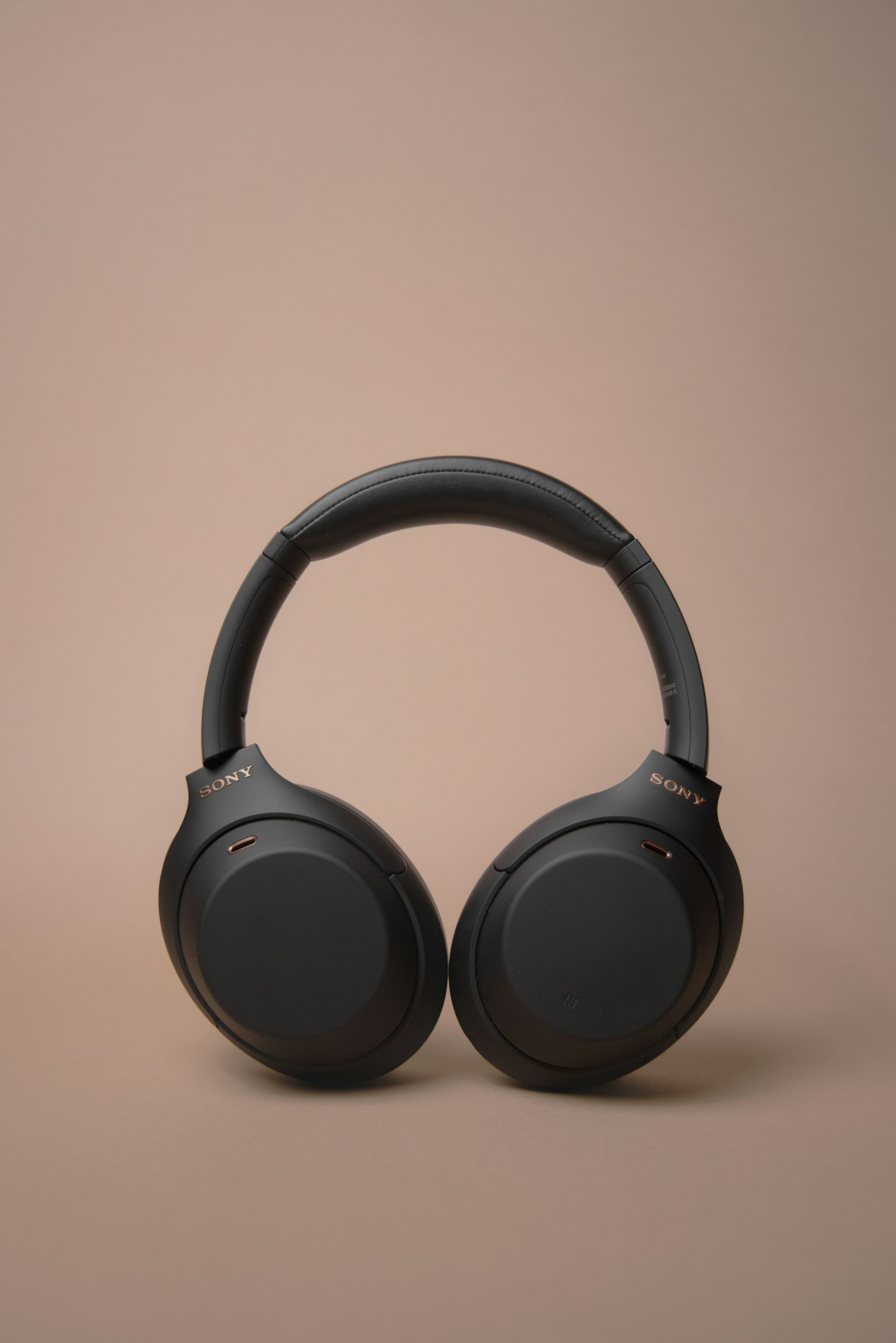
Three flagship noise-cancelling headphones are currently locked in the closest fight this category has seen in years, and a fourth budget option does nearly as much for a fraction of the price. If you’re trying to actually focus on a loud commute, a shared office, or a long flight, picking the right pair comes down to a handful of real differences rather than brand loyalty alone.
This roundup draws on current hands-on testing from outlets that have put these headphones through side-by-side comparisons, rather than a single first-person test, so you’re getting a synthesis of where the reviews actually agree and disagree.
Best Overall Noise Cancellation: Sony WH-1000XM6
Sony’s WH-1000XM6 launched at around $449 and has consistently come out on top for raw noise-cancelling strength in side-by-side testing. In a direct comparison against the AirPods Max, TechRadar’s testing concluded that “the Sony WH-1000XM6 are the kings of ANC right now,” pairing that with roughly 30 hours of battery life with noise cancellation on, LDAC support for higher-resolution audio over Bluetooth, and multi-point connectivity for pairing with two devices at once. For anyone who wants the quietest possible environment on a plane or in an open office, reviewers consistently point here first.
Best for Comfort and Adjustable Ambient Control: Bose QuietComfort Ultra Headphones (2nd Gen)
Bose’s latest QuietComfort Ultra, officially listed at $399 on Bose’s own product page, leans on what the company calls ActiveSense technology, which automatically smooths sudden spikes in background noise rather than blocking everything at a fixed level. It also offers up to 30 hours of battery life in standard use (23 hours with Immersive Audio features enabled) and supports lossless audio over a USB-C cable. Where Bose tends to edge out the competition in reviews isn’t raw noise blocking, it’s how the ear cups balance long-session comfort with sound quality, which matters most if you’re wearing headphones for a full workday rather than a two-hour flight.
Best for Apple Ecosystem Users: Apple AirPods Max 2
Apple’s updated AirPods Max 2 keeps the same $549 price and external design as the original but adds real internal upgrades, according to Apple’s own product page: up to 1.5 times stronger active noise cancellation than the previous generation, a newer H2 chip, improved call quality, and software features like Live Translation and Adaptive Audio that also appear on the AirPods Pro 3. Battery life sits at around 20 hours with ANC and Spatial Audio on, noticeably less than Sony or Bose. The tradeoff is deep iPhone integration: automatic device switching, head-tracked Spatial Audio, and a setup experience built for people already living inside Apple’s ecosystem, which is exactly who these are worth the premium for.
Best Budget Pick: Anker Soundcore Space One
Not everyone needs a $400-plus flagship to block out the noise around them. The Anker Soundcore Space One typically runs close to $99, sometimes less during sales, and multiple reviewers have called out its noise cancellation as genuinely competitive for the price, even if it doesn’t match the top three on outright silence. It’s the pick that makes the most sense if you want real ANC for a commute or a shared workspace without committing flagship-level money to a first pair of over-ear headphones.
How to Actually Choose Between Them
If maximum noise blocking is the priority, whether that’s a noisy open-plan office or long-haul flights, the Sony WH-1000XM6 currently leads independent testing. If all-day comfort and a more adaptive approach to ambient sound matters more than squeezing out the last bit of silence, the Bose QuietComfort Ultra (2nd Gen) tends to win that comparison instead. If you’re deep in the Apple ecosystem and value seamless device switching over having the single strongest ANC on the market, the AirPods Max 2 justifies its price through convenience rather than raw specs. And if budget is the deciding factor, the Soundcore Space One delivers real, usable noise cancellation without the flagship price tag.
None of these are the wrong choice for focus and travel use; they’re just optimized for slightly different priorities, which is worth knowing before you spend $400 or more on the wrong one.
How This Compares to Wireless Earbuds
Over-ear headphones like these generally out-perform even the best wireless earbuds on raw noise cancellation and battery life, simply because there’s more room inside the ear cups for bigger drivers and batteries. If portability matters more than maximum ANC performance, our roundup of the best wireless earbuds for every budget covers the in-ear alternative side by side. For a broader look at where else new gear might be worth the money right now, our roundup of tech gadgets worth trying covers picks beyond audio.
FAQs
Are Sony’s noise-cancelling headphones really better than Bose’s?
For raw noise-blocking strength, most current side-by-side testing gives Sony’s WH-1000XM6 the edge. Bose’s QuietComfort Ultra tends to win on comfort over long sessions and on how naturally it adapts to changing background noise, so “better” depends on which of those matters more to you.
Do AirPods Max 2 work well with Android phones?
They’ll function for basic playback and calls, but several of their standout features, like automatic switching between Apple devices and head-tracked Spatial Audio, are built specifically for the Apple ecosystem and won’t be available or as polished on Android.
Is a budget noise-cancelling pair actually worth buying over a flagship?
For many people, yes. Budget options like the Anker Soundcore Space One won’t match flagship noise cancellation exactly, but reviewers consistently note they get close enough for everyday commuting and office use at a fraction of the cost.
How much does battery life actually vary between these models?
Quite a bit. Sony and Bose both offer around 30 hours with ANC on, while the AirPods Max 2 tops out around 20 hours with ANC and Spatial Audio enabled, which is worth factoring in if you’re using them on long flights without easy access to a charger.
Does noise cancellation quality change much with cheaper headphones?
Generally yes, flagship models use more advanced microphone arrays and processing to adapt to different types of noise, while budget models tend to apply a more fixed level of cancellation. It’s a real difference, but for most everyday noise, like traffic or office chatter, budget ANC has closed the gap significantly.








Discussion about this post