

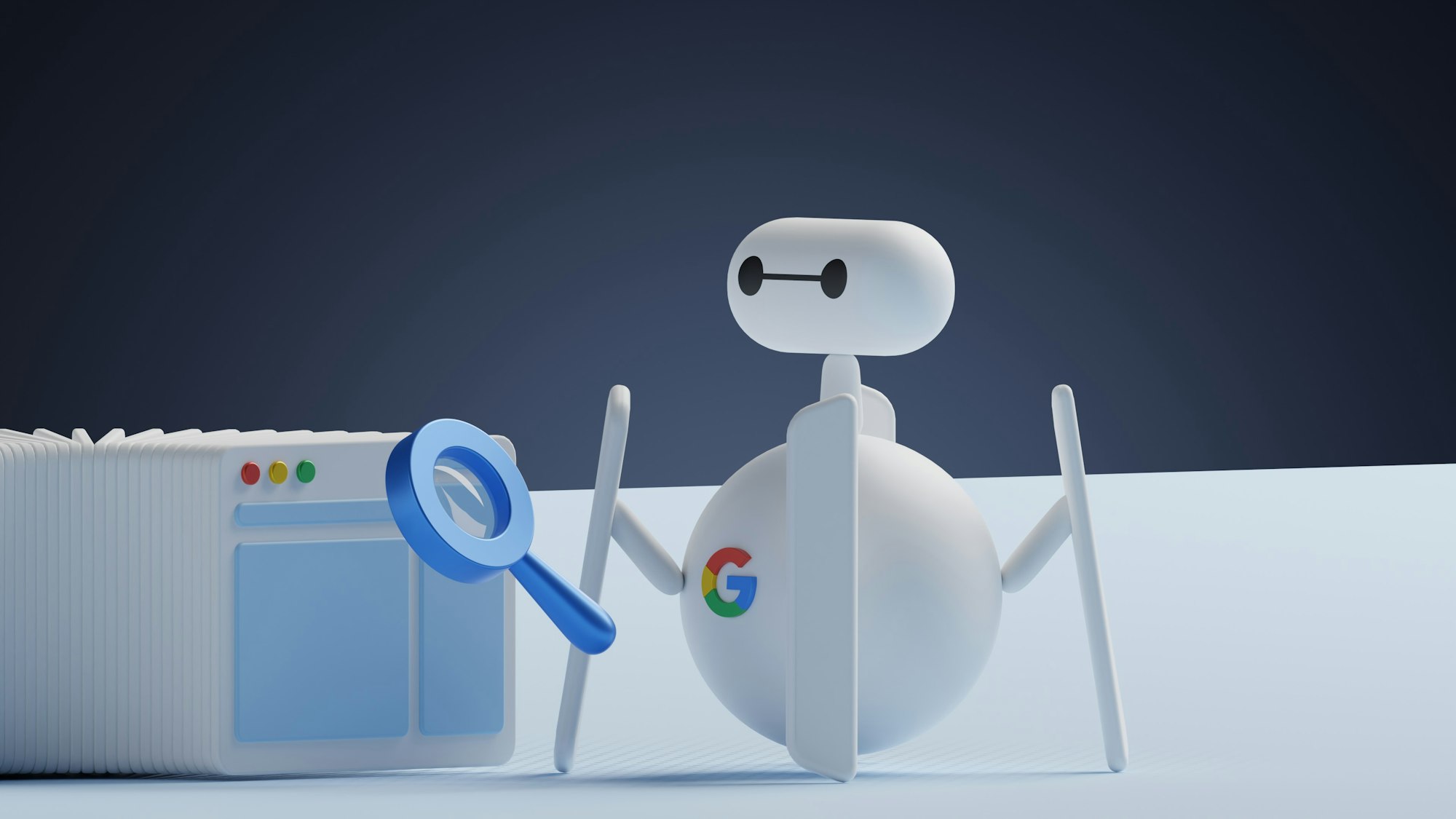
Type a question into Google, and there’s a decent chance the first thing you see isn’t a list of ten blue links anymore — it’s a paragraph. A few sentences that already answer the question, with a handful of small citation marks tucked underneath for anyone who wants to dig further. Plenty of people read that paragraph, nod, and never click through to a single website. That shift, multiplied across billions of searches a day, is what people mean when they talk about AI search engines, and it’s changing how information moves around the web faster than most readers have noticed.
What Counts as an AI Search Engine
An AI search engine doesn’t just match your keywords to indexed pages and rank them — it reads across several sources, pulls out the relevant pieces, and writes a synthesized answer in plain language, usually with links back to where the information came from. That’s a different job than traditional search, which hands you a ranked list and lets you do the reading yourself — and a different job again from the personalization work covered in our piece on how recommendation algorithms decide what you see, which shapes your feed rather than answering a question you typed.
Three products dominate how people actually encounter this today. Google AI Overviews (and the more conversational AI Mode) sit directly inside regular Google Search results. ChatGPT Search lets ChatGPT browse the live web mid-conversation instead of relying only on what it learned during training — one of several tools covered in our roundup of the best AI chatbots. And Perplexity was built from the ground up as what it calls an “answer engine” — search is the entire product, not a feature bolted onto something else.
How These Tools Build an Answer
Despite the different branding, the underlying process is similar across all three. The tool takes your question, runs a live search (or several), pulls back a set of pages, and feeds the relevant text to a large language model along with instructions to summarize it and cite where each claim came from. Google’s own support documentation describes AI Overviews as showing “an AI-generated snapshot with key information and links to dig deeper,” and is direct about the fact that the underlying system “learns patterns and structures from the data it is trained on and uses that to create something new” — it’s generating a summary, not simply copying a source verbatim.
OpenAI’s help center describes ChatGPT’s approach similarly: the assistant “may search the web automatically when your question would benefit from current information,” rewriting your query before it goes to a search partner and returning citations you can click to check the original source. The practical difference between the three tools is less about the core mechanism and more about how aggressively each one searches, how many sources it pulls from, and how it formats the result — a quick summary box versus a fuller conversational answer versus a heavily cited research-style report.
Where They Get It Wrong
Because an AI search engine is generating a summary rather than just retrieving a document, it can misread a source, blend two different claims together, or state something confidently that turns out to be outdated or simply incorrect — the same underlying failure mode covered in more depth in our explainer on why AI chatbots hallucinate. Google is unusually candid about this risk in its own documentation, stating plainly that “AI Overviews can and will make mistakes” and advising people to “always check important info in more than one place.” OpenAI includes a similar caveat for ChatGPT Search, noting that “search results and citations can be incomplete, outdated, or incorrect.”
The failure mode that trips people up most isn’t a wildly wrong answer — those are usually easy to spot. It’s the confidently phrased, mostly-right answer that gets one number, one date, or one detail wrong, buried in a paragraph that otherwise reads as authoritative. Because the format looks so finished, it invites less scrutiny than a page of search results would.
How to Use These Tools Well
None of this means AI search is unreliable enough to avoid — for a lot of everyday questions (what’s the boiling point of a specific chemical, how does a particular API endpoint work, what did a company just announce) it’s genuinely faster than digging through several tabs. The habit worth building is treating the AI-generated answer as a starting point rather than a finish line, especially for anything involving a number, a date, a price, or a claim you’d actually act on. Click at least one citation before repeating a factual claim to someone else, and be more skeptical the more specific and confident the claim sounds. For open-ended research, tools like Perplexity’s more exhaustive modes — which read through dozens of sources rather than a handful — tend to produce more defensible summaries than a quick one-paragraph snapshot.
It’s also worth noticing what these tools are quietly changing about the web itself: if fewer people click through to the original source, publishers see less traffic even when their content is the one doing the actual informing — a tension the search industry hasn’t fully resolved yet, and one worth keeping in mind the next time a perfect paragraph answers your question before you’ve opened a single page.
FAQs
Is an AI search engine the same thing as a chatbot?
Not quite. A general chatbot answers mostly from what it learned during training and may not check the current web at all. An AI search engine specifically runs a live search first and builds its answer from what it finds right now, which is why it can accurately answer questions about something that happened yesterday.
Can I turn off AI Overviews in Google Search?
Not directly. Google’s support documentation confirms there’s no dedicated toggle to disable AI Overviews, though switching to the “Web” results filter shows a more traditional list of links without the AI-generated summary.
Why does an AI search answer sometimes contradict what I find by clicking the sources?
It usually means the tool blended, misread, or slightly overstated something from one of the pages it pulled from. This is common enough that both Google and OpenAI explicitly warn users to verify anything important against the original source rather than trusting the summary alone.
Do AI search engines work the same way on mobile as on desktop?
Largely yes — the same AI Overviews, AI Mode, ChatGPT Search, and Perplexity results appear on phones and tablets, and Google’s AI Overviews also extend into image search and Circle to Search on supported devices.
Are AI-generated answers replacing search results entirely?
Not yet, and not for everything. AI Overviews currently appear only when Google’s system judges that a generative summary would genuinely help, and plenty of searches — especially ones looking for a specific website, product, or local business — still return a standard results page.












Discussion about this post