

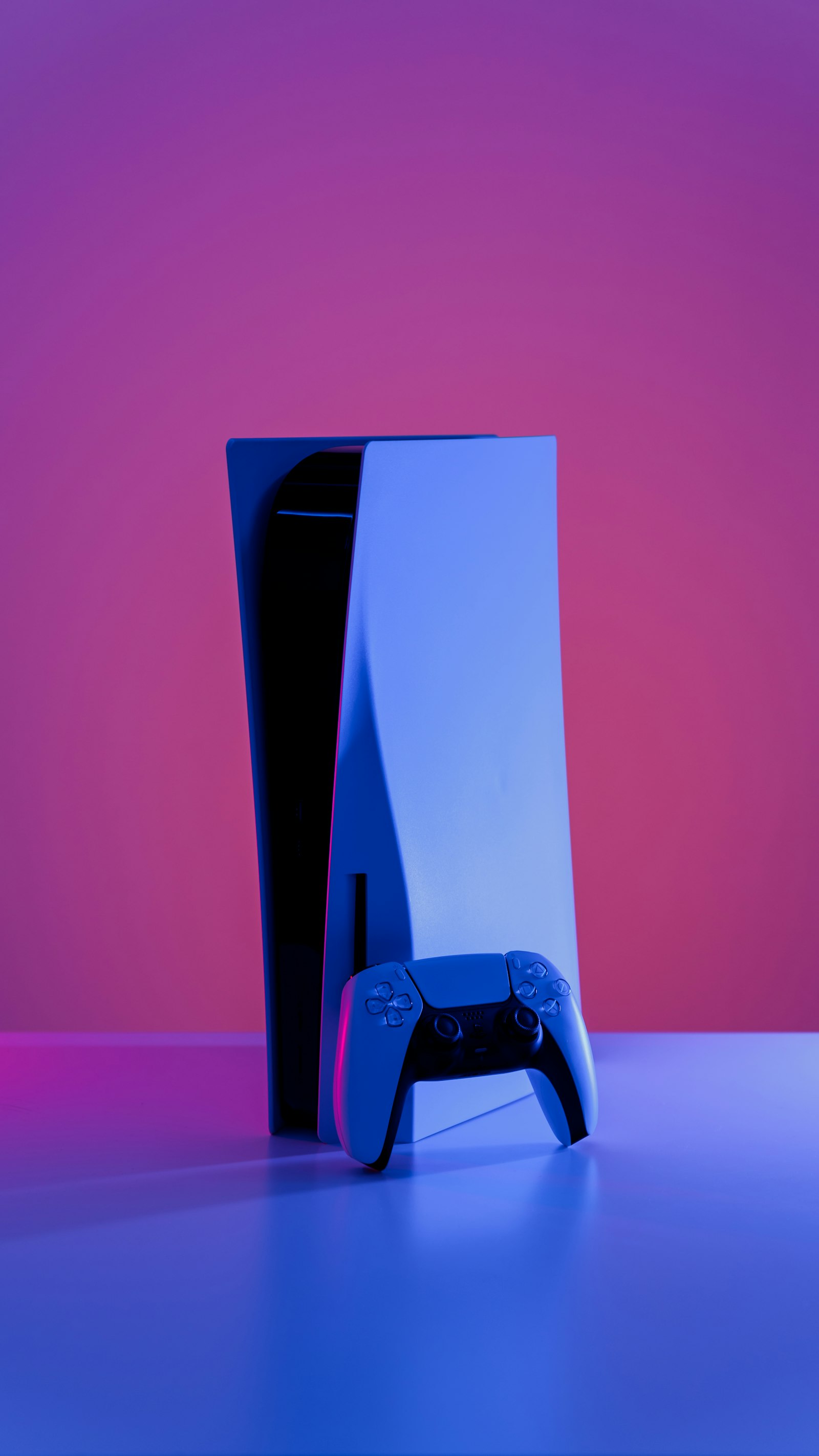
The Steam Deck no longer has the handheld PC market to itself. What started as a niche category is now a genuine buying decision with real tradeoffs between price, raw power, battery life, and which operating system runs the show. Picking the best handheld gaming PCs for your situation depends less on which device benchmarks highest and more on how you actually want to play.
Windows or SteamOS: The Real First Decision
Before comparing specs, the operating system matters more than most buyers expect. SteamOS-based handhelds boot straight into a console-like interface built for a controller, with less background overhead eating into performance. Windows-based handhelds run the full PC library, including launchers SteamOS doesn’t fully support, but carry more background processes and a desktop interface that’s still a bit clunky with a controller. Neither is objectively better — it depends on whether your library lives mostly on Steam or is spread across multiple storefronts.
Best Overall for Windows: Asus ROG Xbox Ally X
At $999.99, the ROG Xbox Ally X pairs an AMD Ryzen AI Z2 Extreme processor with a 7-inch, 120Hz display and a new full-screen Xbox Experience layered over Windows that meaningfully smooths out the usual clunkiness of navigating a desktop OS with a controller, according to Tom’s Hardware’s current handheld testing. It’s the strongest all-rounder if you want the full Windows game library without fighting the interface constantly.
Best for SteamOS Performance: Lenovo Legion Go S
Running SteamOS instead of Windows, the Legion Go S pairs an AMD Ryzen Z1 Extreme chip with an 8-inch, 120Hz display, 32GB of RAM, and a full 1TB SSD for $829.99. Reviewers consistently praise its OS navigation over Windows-based competitors — everything from suspend/resume to controller input just works with less friction, at the cost of not running non-Steam launchers as cleanly.
Best Premium Pick: Lenovo Legion Go 2
The Legion Go 2 is the closest thing to a flagship in this category: an AMD Ryzen Z2 Extreme processor, an 8.8-inch 144Hz OLED display, and detachable Hall-effect controllers reminiscent of a Nintendo Switch, for $1,349.99. The OLED panel looks excellent indoors but can struggle with glare outdoors, which is worth knowing if you plan to game on the go rather than mostly at a desk.
Best Budget Entry Point: Asus ROG Xbox Ally
The standard ROG Xbox Ally trims the spec sheet to an AMD Ryzen Z2 A processor and a 7-inch 120Hz display for $599.99, making it the most affordable way into a modern Windows handheld. It won’t match the Ally X on raw performance, but for lighter or older titles it’s a genuinely reasonable entry point rather than a compromise pick.
Best for Raw Performance: MSI Claw 8 EX AI+
If benchmark numbers are the priority, the Claw 8 EX AI+ leads with an Intel Arc G3 Extreme processor and Arc B390 graphics on an 8-inch, 120Hz display, for $1,799.99. It delivers class-leading performance in its class, though it notably skips OLED despite sitting at the top of the price range — a tradeoff worth weighing against the Legion Go 2’s screen.
How These Compare to Mobile Gaming
Handheld PCs sit in an odd middle ground between mobile gaming and a full console or gaming laptop — more powerful and more expensive than a gaming phone, but far more portable than a desktop rig. If budget is the main constraint and you’re weighing a handheld PC against just gaming on a capable phone instead, our breakdown of gaming mobile pricing is a useful comparison point for where that money could go instead.
What About Just Streaming Games Instead?
If the appeal of a handheld is portability rather than owning a full local game library, it’s worth also considering whether a cloud gaming subscription on a cheaper tablet gets you most of the same experience for less upfront cost. Our comparison of cloud gaming services walks through when that tradeoff makes sense and when local hardware is still the better call — mainly, whenever your internet connection isn’t consistently fast and stable.
FAQs
Is a handheld gaming PC better than a Nintendo Switch?
They serve different purposes. A Switch-style console runs a curated, optimized library at a lower price and with far better battery life; a handheld PC runs your full existing PC library at higher power draw and cost. Neither replaces the other for most people.
How long does the battery actually last during gameplay?
Real-world battery life for demanding games typically runs 1.5 to 3 hours depending on the title and power settings, well below the marketing “up to” figures, which are usually measured on lighter workloads or video playback.
Do I need to buy games separately, or does the handheld come with any?
Handheld gaming PCs are hardware only — you still need to own or buy your games through Steam, the Microsoft Store, or whichever storefront you use, the same as on a regular PC.
Can a handheld gaming PC replace my desktop or console entirely?
For most demanding, graphically intensive games, no — handhelds trade raw power for portability, so a desktop or console will still outperform them at native resolution. They’re better thought of as a portable supplement than a full replacement.
Is SteamOS or Windows the safer choice for a first handheld?
If most of your library is already on Steam, SteamOS-based devices tend to feel more polished out of the box. If your games are spread across multiple launchers or you want the flexibility of full Windows, a Windows-based handheld is the more future-proof pick despite the rougher edges.







Discussion about this post