

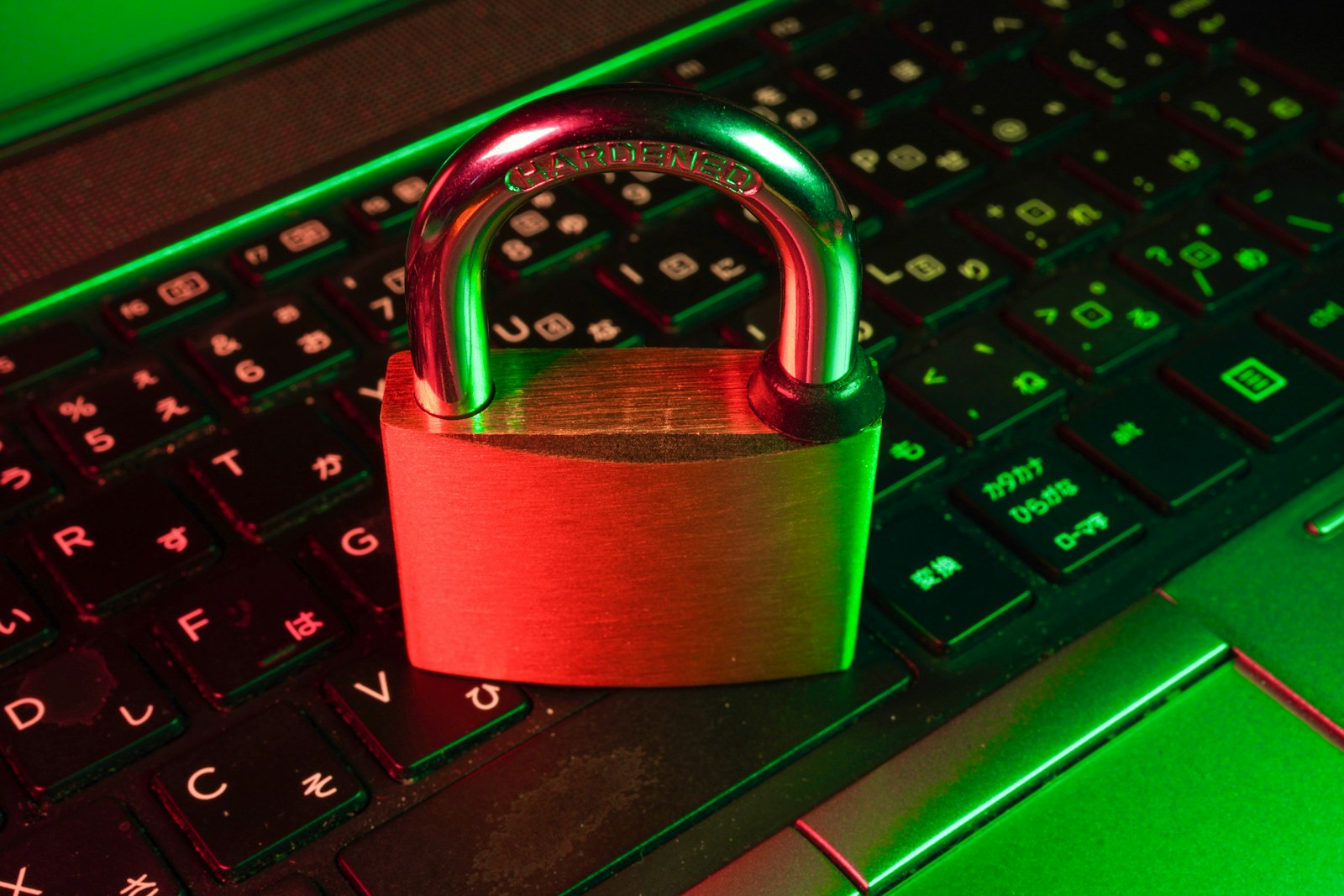
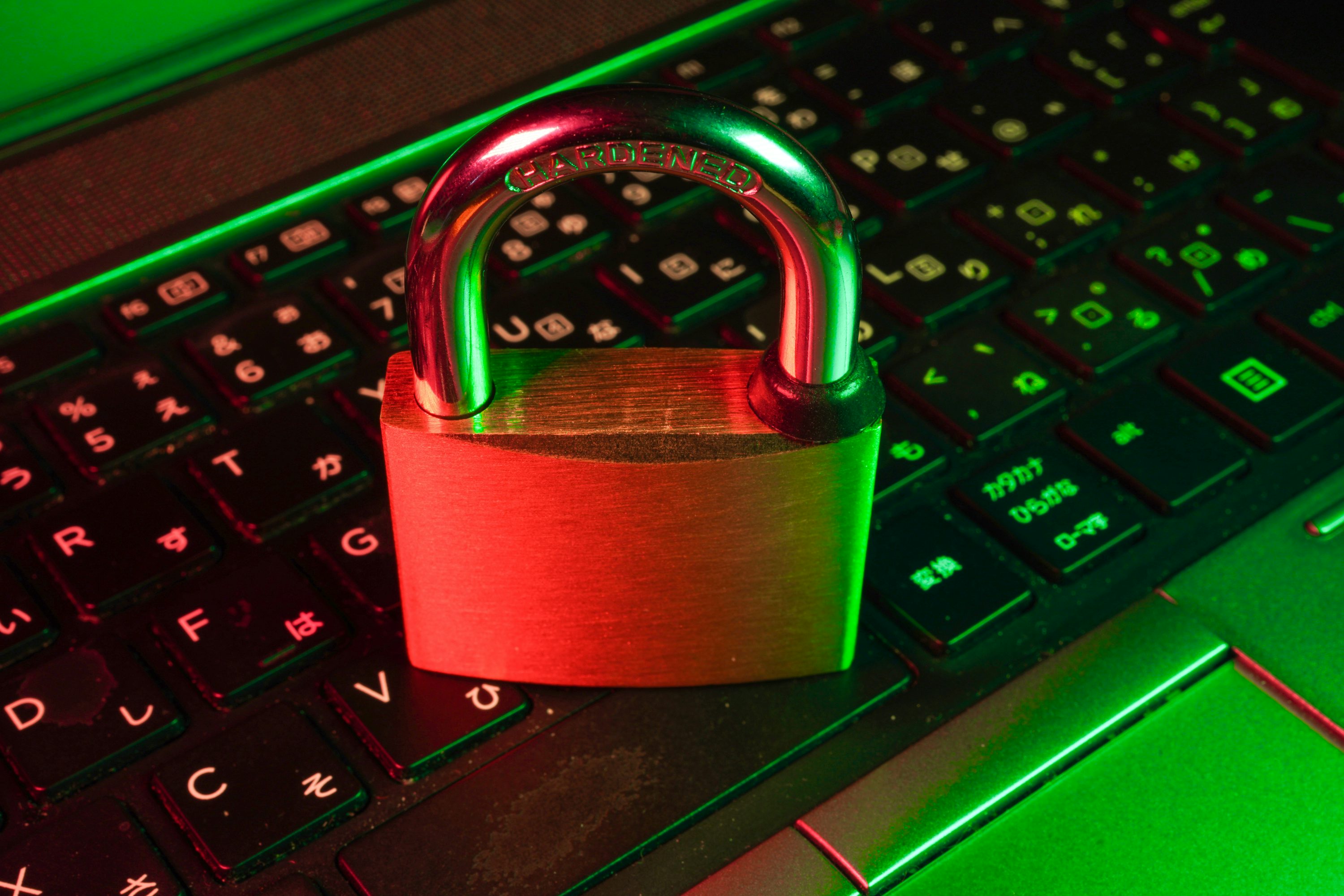
Imagine logging into your bank account tomorrow and finding the encryption protecting that connection quietly broken — not hacked in the usual sense, just mathematically obsolete. That’s the long-term concern behind quantum computing encryption risk: a sufficiently powerful quantum computer could someday solve the math problems that keep today’s online security locked, from banking to messaging apps to government records.
That future hasn’t arrived yet, and it may be years away. But the response to it is already well underway, and understanding both the real risk and the real timeline matters more than the alarmist headlines suggest.
Why Today’s Encryption Works (and Why That Could Change)
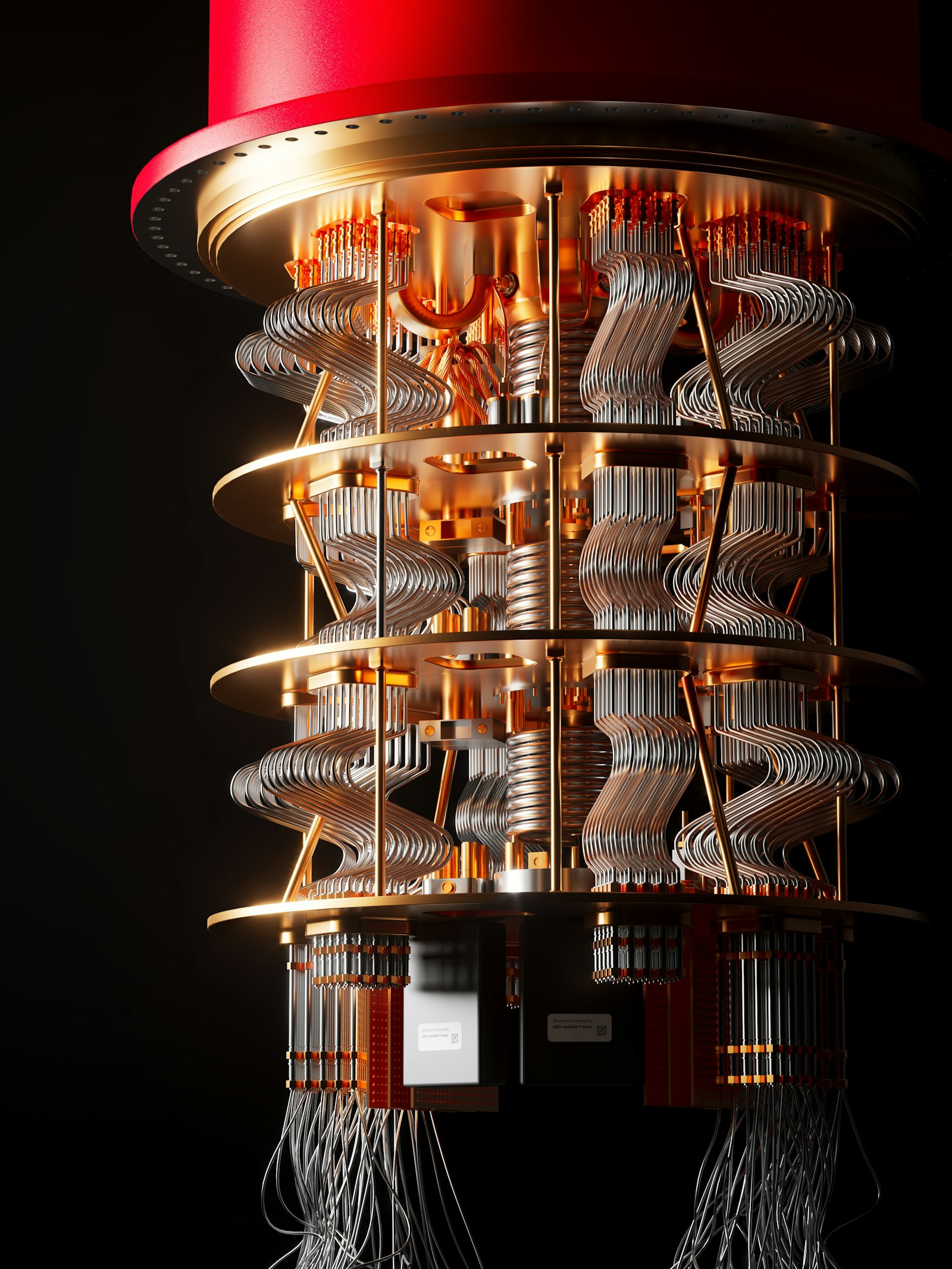
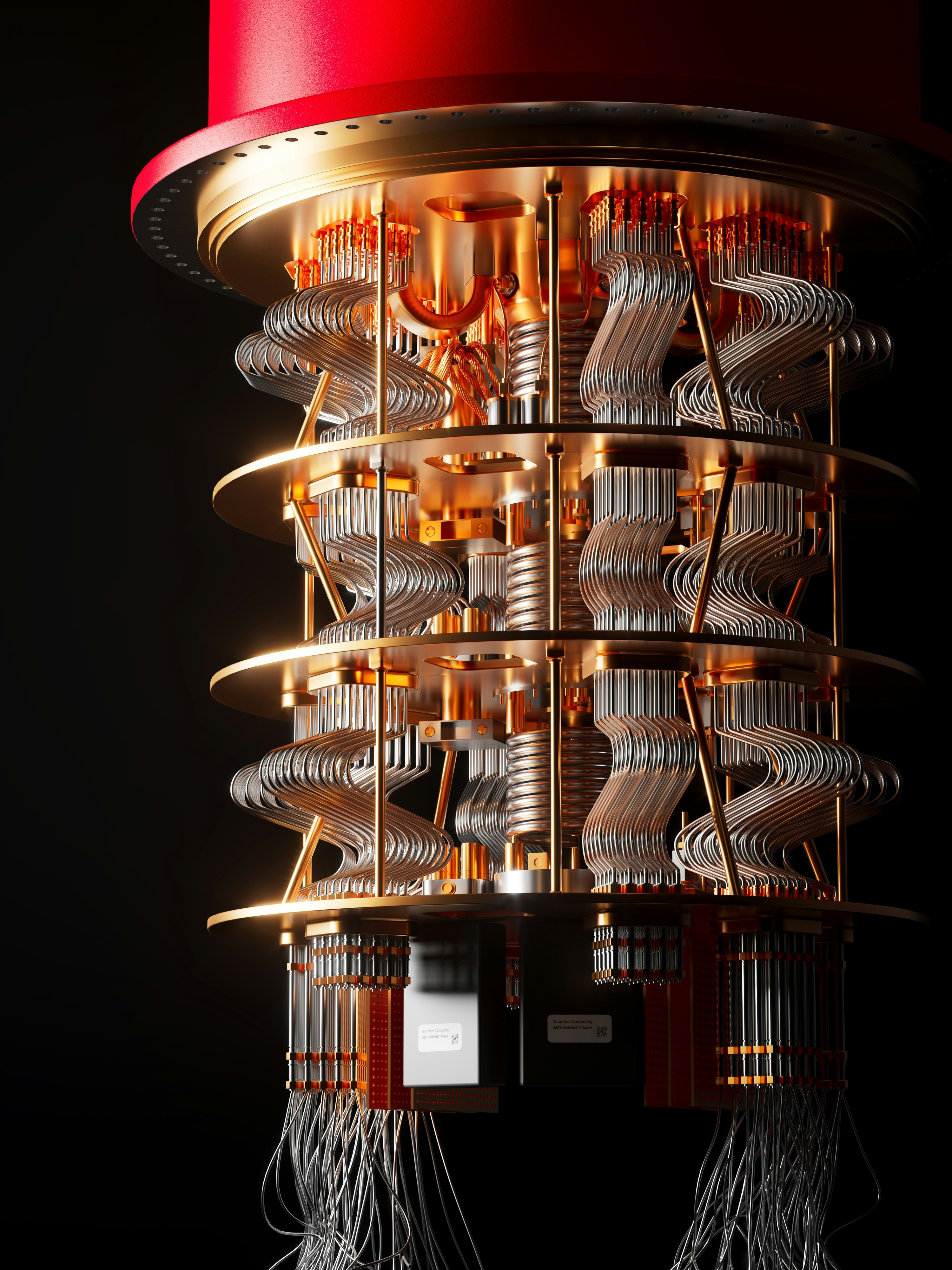
Most of the encryption securing the internet today relies on math problems that are extremely hard for regular computers to solve — specifically, factoring very large numbers. It would take a classical computer longer than the age of the universe to crack strong encryption by brute force, which is exactly why it works. The concern is a specific quantum algorithm, Shor’s algorithm, which can theoretically solve that same factoring problem dramatically faster on a quantum computer with enough stable, error-corrected qubits. No such machine exists yet — today’s quantum computers aren’t remotely close to that scale — but the encryption a hacker steals today could still be decrypted years from now once one does, a scenario researchers call “harvest now, decrypt later.”
What NIST’s New Encryption Standards Actually Do
This is exactly why the U.S. National Institute of Standards and Technology (NIST) spent years running a public competition among cryptographers to find replacement encryption methods that resist both classical and quantum attacks. In August 2024, NIST finalized its first three post-quantum cryptography standards: FIPS 203 for secure key exchange, FIPS 204 for digital signatures, and FIPS 205 as an alternative signature method built on a different mathematical approach, as a hedge in case weaknesses are later found in the others. Two more algorithms, Falcon and HQC, are still working through standardization. These aren’t experimental — they’re the new baseline organizations are expected to migrate toward.
How Worried Should You Be Right Now
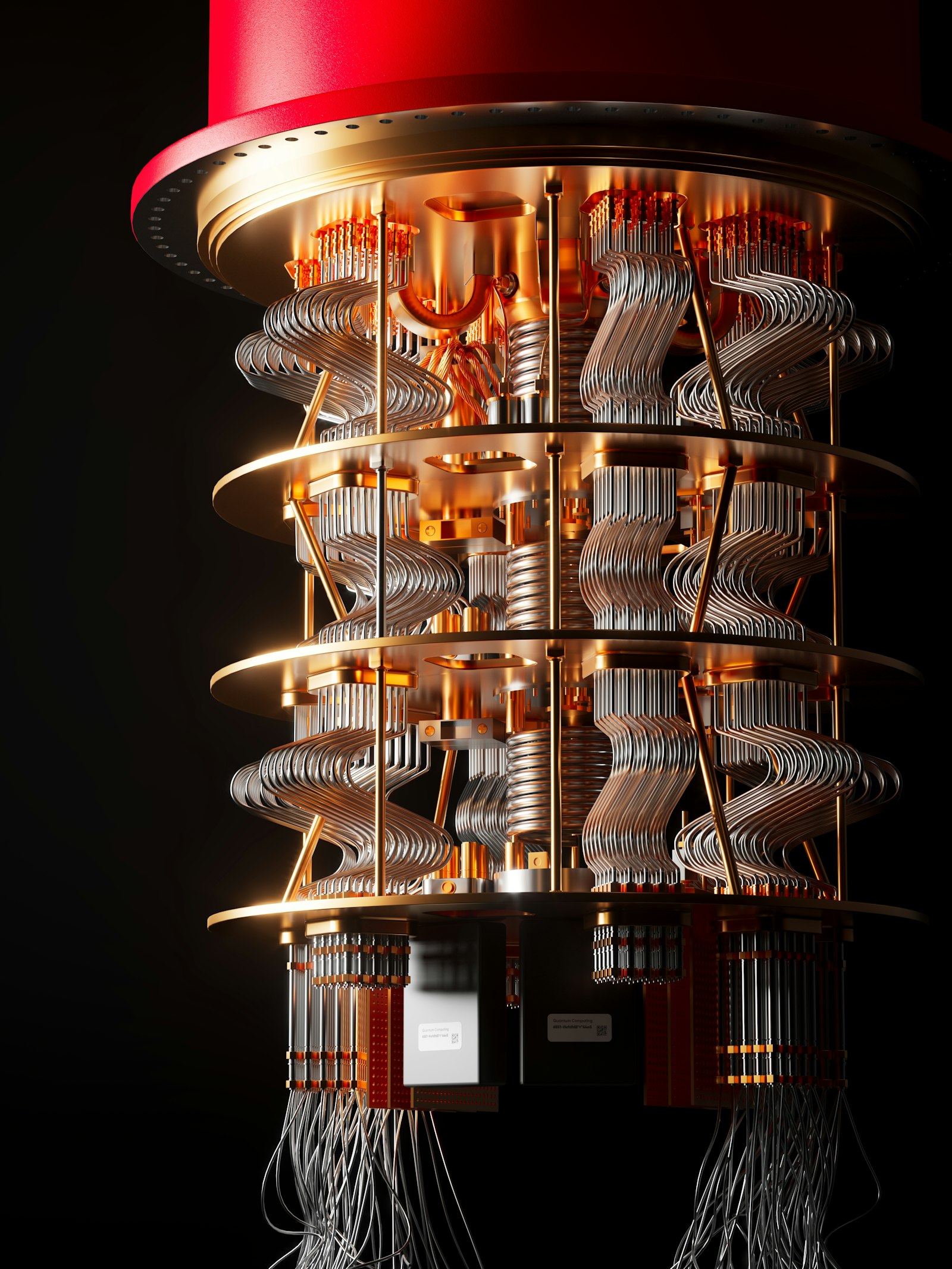
For most everyday use — online banking, shopping, messaging apps — there’s no reason to panic today. The quantum computers that exist right now, including IBM’s and Google’s most advanced systems, are still far short of the scale and error-correction needed to run Shor’s algorithm against real-world encryption. Our look at where quantum computing is actually being used today covers what these machines can and can’t do right now, and breaking modern encryption isn’t on that list yet. The bigger concern is for organizations handling data that needs to stay secret for a decade or more — government agencies, healthcare records, financial infrastructure — since data intercepted and stored today could theoretically be decrypted once capable-enough hardware exists.
What’s Already Being Done About It
NIST’s guidance under its migration roadmap (NIST IR 8547) calls for organizations to begin adopting the new post-quantum standards now rather than waiting, with a target of phasing out quantum-vulnerable algorithms from federal standards by 2035, and much sooner for high-risk systems. Major browsers, cloud providers, and messaging platforms have already begun quietly rolling in post-quantum key exchange alongside existing encryption, so the transition for most consumers will likely happen invisibly through routine software updates rather than requiring anyone to do anything themselves.
What This Means for You
If you’re a regular internet user, the honest answer is: keep doing what already keeps you secure — strong unique passwords, multi-factor authentication, and reputable, regularly updated software — since none of that changes because of quantum computing. Good antivirus and security software already accounts for evolving threats as part of routine updates. If you’re a developer or work in IT, the more useful conversation is with NIST’s own migration timeline and whether the systems you maintain touch data that genuinely needs to stay confidential a decade or more from now. For a broader primer on how the underlying technology works, our quantum computing explainer is a good starting point before diving into the cryptography specifics.
FAQs
Can quantum computers break encryption today?
No. Current quantum computers lack the scale and error correction needed to run the algorithms that would threaten modern encryption. That threat is real but still years away, based on current hardware progress.
What is “harvest now, decrypt later”?
It’s the practice of an attacker stealing and storing encrypted data today, betting that a future quantum computer will be able to decrypt it later. It’s the main reason organizations with long-term-sensitive data are migrating early rather than waiting.
Do I need to do anything to protect myself from this risk?
Not directly. The migration to quantum-resistant encryption is happening at the infrastructure level — browsers, operating systems, and services — and will roll out through normal software updates rather than requiring individual action.
What’s the difference between FIPS 203 and FIPS 204?
FIPS 203 covers secure key exchange (establishing a shared secret between two parties), while FIPS 204 covers digital signatures (verifying that a message or file genuinely came from who it claims to). Both are needed for different parts of a secure connection.
When will quantum computers actually be able to break encryption?
There’s no confirmed timeline, and estimates vary widely among experts — some point to the early-to-mid 2030s, others further out. NIST’s 2035 phase-out target for vulnerable algorithms reflects a “migrate well before it’s needed” approach rather than a hard prediction of when the threat arrives.






Discussion about this post