

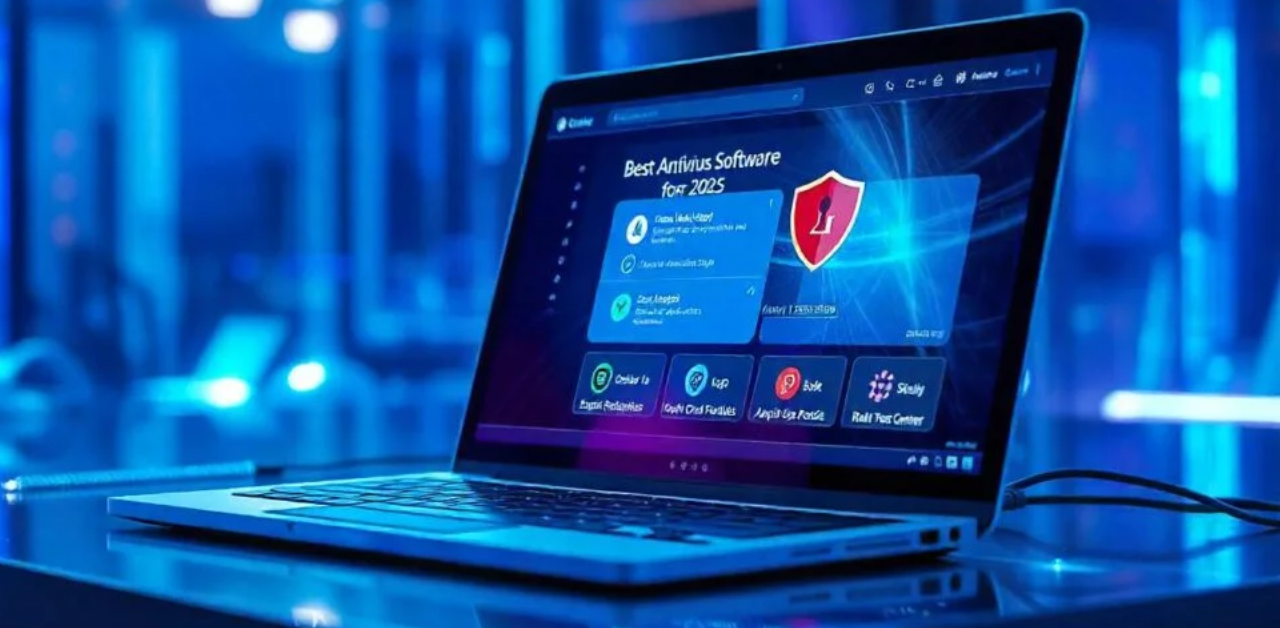
Let’s be real navigating the internet feels a bit like walking through a dark alley sometimes. Viruses, malware, ransomware it’s a lot. You might feel overwhelmed or confused by all the options out there. That’s why choosing the best antivirus software matters. In this guide, I’ll walk you through my top picks, share friendly tips, real-world advice (“One thing I tried…”), and help you feel confident and secure. You’ll understand which software fits your needs whether you’re protecting your work devices, family computers, or personal gadgets. By the end, you’ll know exactly what to look for to stay cyber-safe. And it’s not just personal devices at risk — even website software isn’t immune, as a recent WordPress plugin vulnerability that put 200,000+ sites in danger made clear.
1. Bitdefender Powerful Protection, Lightweight Performance
Bitdefender often tops the list for best antivirus software thanks to its powerful engine and minimal impact on system speed. One thing I tried: it caught a suspicious download immediately, with zero slowdown. The interface is intuitive no confusing options. Bitdefender also offers multi-layer ransomware protection and secure browsing. I especially like its wallet feature for safely storing passwords and payment details. If you want strong defenses without tech headaches, this one’s a winner.
2. Norton 360 Full Features for Home Use
Norton 360 is more than just antivirus it’s a full suite with VPN, cloud backup, and life-locking identity alerts. For example, I activated its VPN before using public Wi-Fi, and it saved me from a sketchy network. You might feel overwhelmed by so many features, but they’re organized well. Norton’s parental controls are helpful too, letting you protect the whole family. It’s on the pricier side, but if value means layers of protection, this one’s a solid pick.
Read More: The Best AI Chatbots in 2025: Which One’s Right for You?
3. Kaspersky Excellent Detection, Global Reputation
Despite some regulatory noise, Kaspersky remains a top contender for best antivirus software. I’ve used it on my laptop its scan discovered a hidden keylogger I’d accidentally downloaded. The protection is proactive, catching threats before they strike. The interface offers clear options, with customizable scan schedules. Privacy-conscious users might want to read up on its data-sharing policies, but I’ve found it reliable and fast.
4. McAfee Ideal for Multiple Devices
If you’ve got a bunch of devices PC, phone, tablet McAfee’s all-in-one licenses can be a lifesaver. I installed it on my family’s five devices easily, and it protected us all with one subscription. It includes a secure VPN and identity monitoring. The safe web extension flagged a phishing link during a casual browsing session. It’s a bit heavier on resources, but that’s the price for device-wide protection.
5. Trend Micro Simple, Effective, No-Frills
Trend Micro is great if you want something that just works without overwhelming menus. One time, I clicked a questionable email link Trend Micro blocked it before it could do any harm. Its social media privacy scanner is handy too. If you appreciate straightforward tools that do their job without extra fluff, this best antivirus software is a safe bet.
6. ESET NOD32 Lightweight and Customizable
ESET NOD32 is ideal for tech-savvy users who want a lean, fast antivirus. It doesn’t slow down your system. I loved how customizable it was setting scan exclusions and task priorities was easy. Gamers and IT professionals often choose ESET for its customizable controls. It lacks extras like VPN, but if you want basics done well, give this one a shot.
7. Avast/AVG Free & Feature-Rich
Looking for budget-friendly? Avast and AVG offer solid best antivirus software options for free. Their scanning engines are robust it caught a hidden PUP that I didn’t even notice. They also offer password managers and network inspectors. One caveat: their free versions prompt you to upgrade often. But if you’re comfy with occasional pop-ups, free protection works well.
8. Sophos Home Family Protection with Remote Management
Sophos Home is great for families or small teams. You can manage up to 10 devices remotely from one dashboard. I used it to secure both my laptop and my kid’s Chromebook. Sophos catches scams and blocks risky sites. The remote management panel and clear alerts made it easy to monitor everyone’s protection. For multiple users, this is gold.
9. Malwarebytes Best for Cleanup
Think of Malwarebytes as your digital first-aid kit. It’s best for cleaning infections or following up after another antivirus flagged something. One thing I tried: after a system felt sluggish, Malwarebytes detected several adware files the main antivirus missed. It’s lightweight but powerful. Just note: it’s better as a supplement than your primary defense.
10. Windows Defender Built-In and Getting Better
Don’t overlook Windows Defender it’s built into Windows, completely free, and has dramatically improved. It blocked a recent trojan during a routine download I made. The real-time scans are discreet and effective, plus it integrates beautifully with Windows Security Center. For basic needs, this best antivirus software is surprisingly solid without extra cost.
Conclusion: Choose What Fits You Best
So there you have it 10 of the best antivirus software options for 2025. Whether you’re after full-feature suites, lightweight efficiency, or a low-cost option, there’s something here for your needs. Remember, the best protection combines good software with cautious habits — avoid suspicious links, back up your data, and brush up on a few more everyday tech safety habits that make you a harder target in the first place. You’re already taking steps toward a safer digital life, and that’s something to feel proud of. Stay secure, stay smart, and let tech be your shield not your stress.
Check our blog for more tech guides and security tips.
FAQs: Best Antivirus Software
What makes the best antivirus software worth it?
Great question! The best antivirus software offers strong virus/malware detection, minimal impact on system speed, and extra tools like firewalls or password managers. It should also have reliable customer support and frequent updates to tackle new threats. I look for real-time protection and user reviews that signal trust and performance.
Can built‑in antivirus software be enough?
Absolutely! For many users, Windows Defender (built into Windows) is perfectly enough. It now offers real-time scanning, behavior analysis, and good detection rates. Just make sure you keep Windows updated. For advanced features like VPN or extra privacy tools you might consider a paid option, but Defender covers the basics really well.
Should I run both free and paid antivirus together?
It’s usually best to stick with one main antivirus to avoid conflicts. But using Malwarebytes for occasional deep scans alongside another antivirus is fine. Just avoid running two real-time shields simultaneously. A layered approach — primary protection plus on-demand malware cleanup — gives good peace of mind.









Discussion about this post