

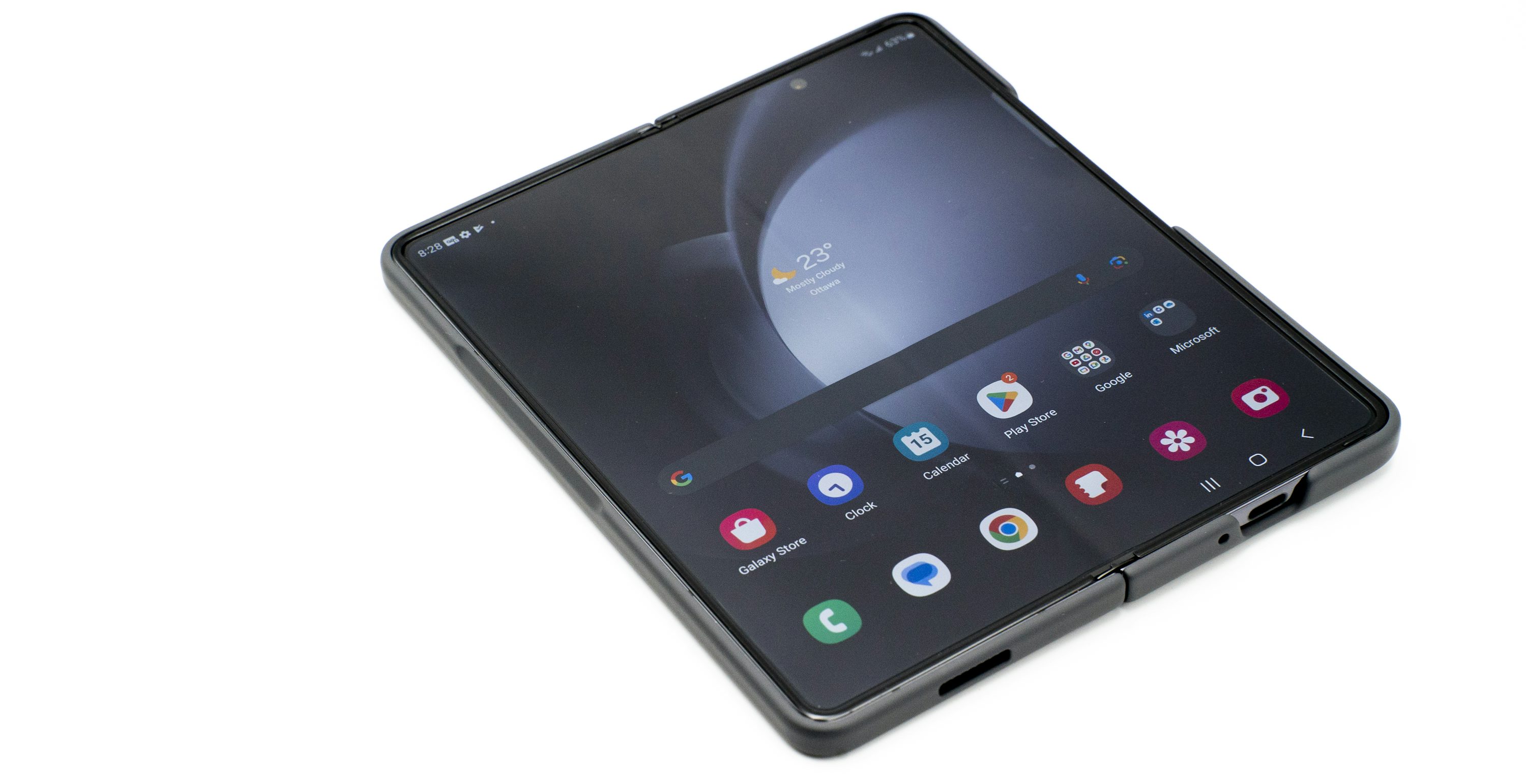
Fold a phone in half a few hundred times and something in the middle of the screen is bound to show it. That was the assumption baked into the first wave of foldable phones — a visible crease, a hinge that felt like the weakest link, and a nagging sense that you were paying flagship prices to carry a fragile mechanism waiting to fail. Five years and several hardware generations later, foldable phones are a much more mature category, and the engineering behind the hinge is the biggest reason why.
What Changed Inside the Hinge
Samsung’s latest Galaxy Z Fold7 illustrates how far the mechanism has come. Samsung’s own materials describe an “Armor FlexHinge” built around a water-droplet-shaped fold and a newly implemented multi-rail structure that reduces visible creasing and strengthens durability by evenly dispersing stress across more contact points instead of concentrating it at one pivot. The result is a phone that folds down to 8.9mm thick and weighs 215 grams — thinner and lighter than several non-folding phones, according to Samsung, and a sharp departure from the noticeably chunkier first-generation folds.
The Screen Had to Change Too
A tougher hinge only solves half the problem, since the flexible display itself is what creases. Samsung increased the Ultra-Thin Glass layer on the Z Fold7’s main screen by 50% and added a titanium plate underneath it for reinforcement, changes aimed directly at making the fold line less visible and less prone to long-term denting. The external cover screen, which takes the brunt of everyday drops and pocket wear, now uses Corning’s Gorilla Glass Ceramic 2, a glass-ceramic hybrid with crystals embedded in its structure for added scratch and crack resistance.
Durability Testing Has Gotten More Rigorous
Manufacturers now publish fold-cycle ratings the way they once published drop-test results for regular phones, and independent testing has started to hold them to it. Samsung’s frame also moved to what it calls “Advanced Armor Aluminum,” which the company says increases strength and hardness by 10% over the previous generation. The Z Fold7 carries an IP48 water-resistance rating, meaning it can handle submersion in up to 1.5 meters of fresh water for 30 minutes — a first for a Samsung foldable, and a sign that dust and water resistance, long a foldable weak point next to slab phones, is catching up.
What Still Makes Foldables a Different Kind of Purchase
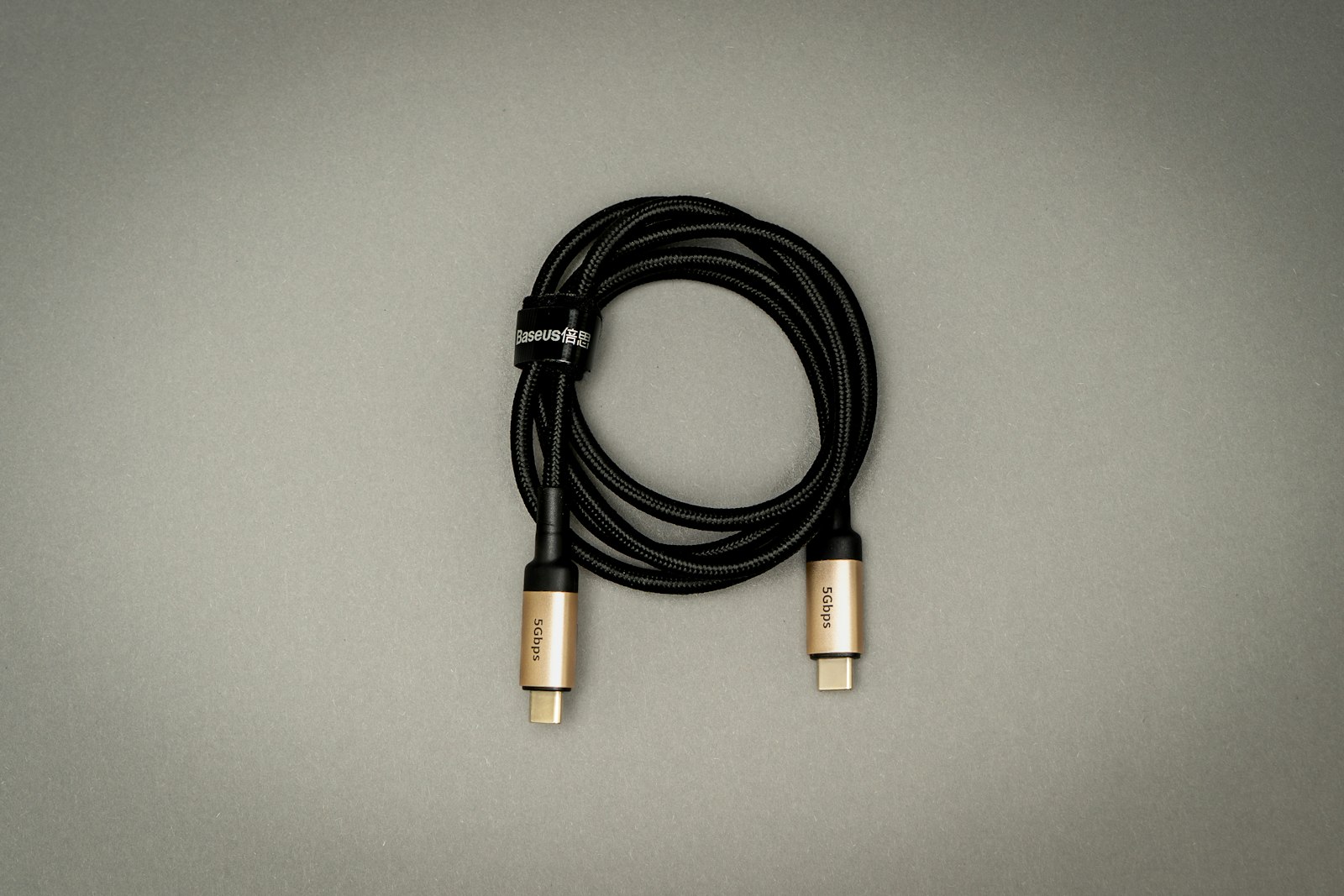
Even with a sturdier hinge and reinforced glass, a foldable is still a more mechanically complex device than a phone with no moving parts, and that complexity shows up in the price: foldables remain priced well above equivalent non-folding flagships, in part because the display and hinge assembly is genuinely more expensive to engineer and manufacture. If you’re weighing a fold against a conventional flagship, our guide to the best smartphones to buy right now covers the non-folding side of that decision, and the charging basics — like the USB-C standard now used across foldables and slab phones alike — carry over unchanged either way.
Is a Foldable Still a Risk?
The honest answer is: less than it used to be, but not zero. A crease is still visible on close inspection under the right lighting on most foldables, including the Z Fold7, even with all the reinforcement — manufacturers have reduced how prominent it looks and how likely it is to worsen over time, not eliminated it outright. For anyone weighing a foldable now against the first generation five years ago, the practical durability gap that used to be the strongest argument against buying one has narrowed considerably.
FAQs
Do foldable phones still get a visible crease?
Yes, most current foldables including the Galaxy Z Fold7 still show a faint crease under certain lighting angles, though thicker Ultra-Thin Glass layers and reinforced hinge structures have made it noticeably less visible and less likely to deepen over years of use compared to early foldable generations.
Are foldable phones durable enough for daily use now?
Current-generation foldables are considerably more durable than the first wave from 2019–2021. Multi-rail hinge designs distribute folding stress more evenly, reinforced cover glass resists scratches and cracks better, and models like the Z Fold7 now carry formal water-resistance ratings, though full dust resistance is still less common than on non-folding flagships.
Why are foldable phones more expensive than regular flagships?
The flexible display panel and the multi-part hinge mechanism are significantly more complex and costly to manufacture than a single rigid screen, and that engineering cost is passed on directly in the retail price, which typically runs several hundred dollars above an equivalent non-folding flagship.
How many times can you fold a foldable phone before it wears out?
Manufacturers publish fold-cycle ratings intended to cover several years of typical daily use — opening and closing the phone dozens of times a day — though real-world lifespan also depends on how carefully the device is handled, since debris trapped near the hinge remains a more common failure cause than the hinge mechanism simply wearing out.
Should I buy a foldable phone now or wait for the next generation?
If the crease and hinge durability were your main hesitations, this generation addresses both more convincingly than any previous one. Buyers who specifically want the largest possible screen improvement or the lowest possible price are the ones most likely to benefit from waiting, since foldables are still iterating quickly year over year.









Discussion about this post