

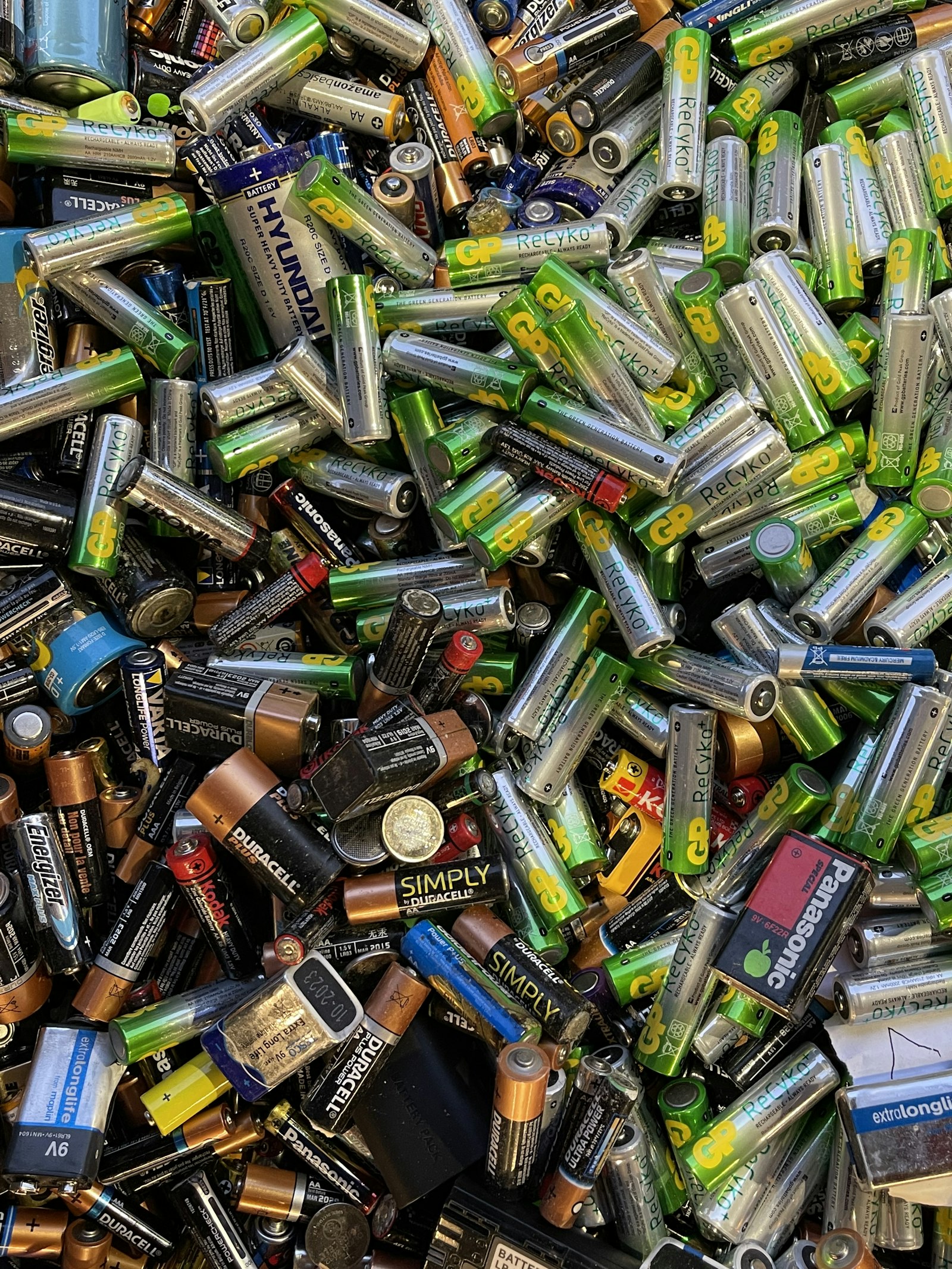
Picture a phone that charges in minutes, lasts for days, and never gets hot enough to worry you. That is the pitch attached to solid-state batteries, and it has been repeated in headlines for years. The idea is real and the research is serious, but the gap between a lab result and a battery in your pocket has proved wide. Understanding what actually changes inside the cell makes it easier to judge each new announcement.
The Core Difference: Liquid vs. Solid Electrolyte
Every battery has two electrodes and an electrolyte, the material that lets charged particles move between them. In a conventional lithium-ion cell, that electrolyte is a liquid or gel. According to Wikipedia’s overview of the technology, a solid-state battery uses a solid electrolyte to conduct ions between the electrodes instead of the liquid or gel polymer electrolytes found in conventional batteries.
That sounds like a small swap, but the electrolyte shapes almost everything else: how much energy fits in a given space, how the cell behaves when damaged, and which materials can be used for the electrodes. The U.S. Department of Energy’s vehicle battery page frames the broader goal for electric vehicles as lower cost, longer range, and faster charging, which are the same targets solid-state designs are chasing.
Why People Are Excited
Two advantages come up again and again.
Safety. Liquid electrolytes in lithium-ion cells are flammable. Wikipedia notes that solid-state designs could potentially solve problems of liquid electrolyte cells, including flammability. A solid electrolyte also acts as a separator that lets only lithium ions pass through. Fewer flammable components is the main reason the safety claim is taken seriously, though it does not make a battery immune to failure.
Energy density. Theoretically, solid-state batteries offer much higher energy density than typical lithium-ion or lithium polymer batteries, in part because a solid electrolyte can make it practical to use a lithium metal anode. More energy per kilogram could mean a longer-lasting phone, a lighter laptop, or an electric car with more range for the same pack size. The word “theoretically” carries weight here, and published figures vary widely by chemistry and by who is reporting them, so treat any single number with caution.
What Is Still Hard
The same reference lists several stubborn problems, and they explain why products keep slipping.
- Dendrites: lithium metal anodes can suffer from the growth of dendrites, uneven metal growths that can penetrate the electrolyte and cause short circuits.
- Interfaces: high resistance where the cathode meets the solid electrolyte has been described as a long-standing problem for all-solid-state designs.
- Mechanical stress: electrodes expand and contract as they charge and discharge, and volume changes are a common failure route in solid-state cells.
- Pressure and cost: some ceramic electrolytes need high pressure to stay in contact with the electrodes, and thin-film cells are expensive to make at consumer scale.
A liquid flows into every gap, so contact between layers is easy. A solid has to be pressed, layered, and held in contact for thousands of cycles. Making that work reliably, cheaply, and at factory volume is the central engineering challenge, and it is a manufacturing problem as much as a chemistry problem.
Where the Technology Stands
As of 2026, Wikipedia states that the solid-state battery market has yet to reach scalability and commercialization, and that many companies had not commercialized their products as of January 2026. It also reports that Toyota announced it will not use commercial solid-state batteries until at least 2027.
Be careful with big claims. The same article describes a 2026 announcement from one company of a solid-state battery ready for commercial production, and notes that experts consider the published tests insufficient to support the claim. Because this field moves fast and promotional announcements are common, look for independent testing, a named production partner, and a shipping date backed by a real product before taking a headline at face value. Wikipedia is a secondary source, so confirm any specific figure against a manufacturer or a peer-reviewed paper before relying on it.
What This Means for Gadgets
Better batteries would reach consumers in stages. Small, specialized cells are easier to make than large automotive packs, so wearables and compact devices are plausible early adopters. Meanwhile, the gadgets you can buy today keep improving through other routes, such as faster charging standards like those in our guide to Qi2 wireless charging and the cable and power rules covered in our USB-C explainer. If battery life is your main concern right now, a good portable charger is a more practical fix than waiting for a new chemistry.
How to Read the Next Battery Headline
Ask four questions. Is it a full cell or just a lab sample? How many charge cycles did it survive? Who tested it? And is there a product with a date and a price? Announcements that skip these answers usually describe progress, not a purchase you can make.
FAQs
What is a solid-state battery?
It is a battery that uses a solid material as its electrolyte instead of the liquid or gel used in standard lithium-ion cells. That change is expected to improve safety and allow more energy in the same space, though practical designs are still being developed.
Are solid-state batteries safer than lithium-ion?
They have the potential to be, mainly because solid electrolytes are less flammable than liquid ones. Safety in a finished product still depends on the full design and manufacturing quality, so the claim is a promise rather than a guarantee.
Can I buy a phone or car with a solid-state battery today?
Broad commercial availability had not arrived as of 2026 according to the sources reviewed. Treat marketing claims cautiously and look for independent verification and shipping products.
Why are solid-state batteries so hard to make?
A solid electrolyte must stay in close contact with the electrodes through thousands of charge cycles while materials expand and contract. Preventing dendrites, keeping interface resistance low, and doing it affordably at scale are the main obstacles.
Will solid-state batteries make charging faster?
Faster charging is one of the stated goals, but results depend on the specific chemistry and design. No single charging time can be promised across the technology until more products are tested independently.









Discussion about this post