

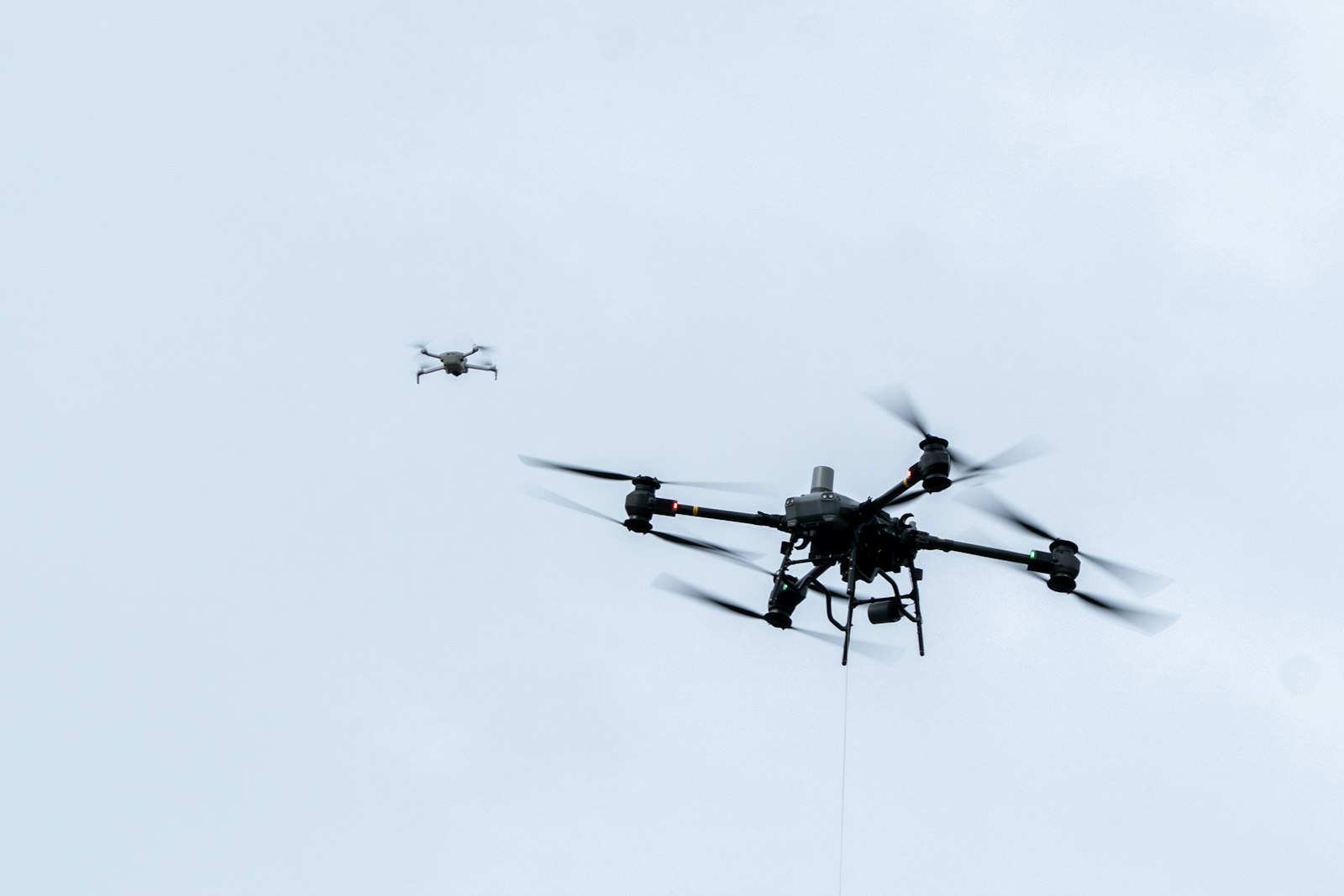
In the United States, the line between a drone you can fly freely and one you must register is 250 grams, about 0.55 pounds. According to the FAA, you must register if your drone weighs 250 grams or more. That single number changes how many first-time buyers should shop, because a lighter model can mean less paperwork, and a heavier one can mean a better camera. This drone buying guide walks through the choices that matter and the rules to settle before your first flight.
Start With the Rules, Not the Specs
The FAA’s recreational flyer page lays out the baseline for hobby flying. Several points affect what you buy:
- TRUST test: recreational flyers are required by law to take the free online Recreational UAS Safety Test and carry proof of passing when flying.
- Registration: drones weighing 250 grams or more must be registered, marked on the outside with the registration number, and accompanied by proof of registration. The page does not list a fee, so check the FAA’s registration process for current costs.
- Remote ID: as of September 16, 2023, a drone that requires an FAA registration number must also broadcast Remote ID information, unless flown within a Federally-Recognized Identification Area.
- Altitude and sight: in uncontrolled Class G airspace, fly at or below 400 feet, and keep the drone within visual line of sight or use a visual observer next to you.
- Controlled airspace: near airports in Class B, C, D, and surface Class E areas you need prior FAA authorization.
Flying for pay is different. The FAA says photos taken to help sell a property or service count as non-recreational, which falls under separate commercial rules. If you plan to earn money from footage, research those requirements first, and remember that rules in other countries differ. Everything here describes U.S. recreational flying as of the FAA page’s most recent update.
The Weight Question
Sub-250-gram drones are popular with beginners because they sit below the registration threshold. But weight is only one factor in whether the rules apply to you, so verify against the FAA’s current guidance rather than assuming. Heavier drones typically carry larger batteries and bigger camera sensors, which tends to improve flight time and image quality at the cost of portability and paperwork. Pick based on what you want to shoot, not the weight number alone.
Camera Quality
For most buyers, the camera decides whether the purchase feels worthwhile. Look at:
- Sensor size: larger sensors generally handle dusk and shadows better than small ones.
- Video resolution and frame rate: 4K is common, but the frame rates available at that resolution vary by model.
- Stabilization: a gimbal that keeps the camera level matters more for smooth footage than a headline megapixel count.
- Controls: manual exposure options help if you plan to edit your footage seriously.
If you already own a travel camera, our roundup of action cameras and our vlogging camera guide help compare what a drone adds against what you have.
Battery Life and Spare Packs
Manufacturers publish flight-time figures measured in ideal conditions, so real-world time is usually shorter, especially in wind or cold. Plan around the actual number of batteries in the kit. A combo package with extra batteries often makes more sense than one battery and a hope for the best. Pay attention to how you charge them, too: a compact power bank or portable charger can help in the field only if it supports the charging method your drone uses, so confirm compatibility before relying on it. Airline rules for lithium batteries are strict, so check your carrier before traveling.
Storage, Range, and Features
High-resolution video fills memory cards quickly. Buy a card with the speed rating the manufacturer recommends and carry a spare. For offloading footage in the field, see our portable SSD buying guide.
Obstacle sensors, automatic return-to-home, and subject tracking are useful safety nets for new pilots, but none replace attention. Treat advertised transmission range as a laboratory number. The visual-line-of-sight requirement means you generally should not fly farther than you can see the drone anyway.
A Simple Way to Decide
- Decide what you will shoot: travel clips, property views, hobby racing, or family trips.
- Choose a weight class and accept the registration steps that come with it.
- Set a budget that includes spare batteries, memory cards, and a carrying case.
- Read recent independent reviews for the specific model, since firmware and lineups change quickly.
- Complete the TRUST test and check airspace before the first flight.
FAQs
Do I need to register my drone?
In the United States, the FAA says you must register a drone that weighs 250 grams (0.55 pounds) or more. You also need to mark it with the registration number and carry proof when flying.
What is the TRUST test?
It is the Recreational UAS Safety Test, a free online test that recreational flyers are required by law to take. You must carry proof that you passed whenever you fly.
What is Remote ID?
Remote ID is a broadcast of identification information from a drone while it flies. The FAA says drones that require a registration number must broadcast it, with an exception for flying inside a Federally-Recognized Identification Area.
How high can I legally fly a drone?
For recreational flying in uncontrolled Class G airspace, the FAA’s limit is 400 feet or lower. In controlled airspace near airports you need prior authorization, and limits can differ.
Can I make money with a drone I bought for fun?
Not under the recreational rules. The FAA treats flying for work or compensation as non-recreational, which falls under different requirements, so learn those before you take paid jobs.







Discussion about this post