

A single array of neutral atoms, held in place by laser beams, has reached 6,100 qubits in a Caltech experiment. Meanwhile, the best-known machines from IBM and Google use qubits that look nothing like atoms at all. Both count as quantum computers, which tells you something: there is no single design, and the field is still a race between competing types of quantum computers.
Here is how the main approaches differ, using the six-way breakdown in The Quantum Insider’s overview as the reference for the figures below.
Why So Many Designs Exist
A qubit has to be a physical thing you can control, and several things qualify: a tiny circuit, a charged atom, a neutral atom, a particle of light. Each choice trades speed, stability, and ease of scaling. None has won yet, which is why companies and governments back several at once. For a plain introduction to what qubits do, see our quantum computing explainer.
Superconducting Qubits
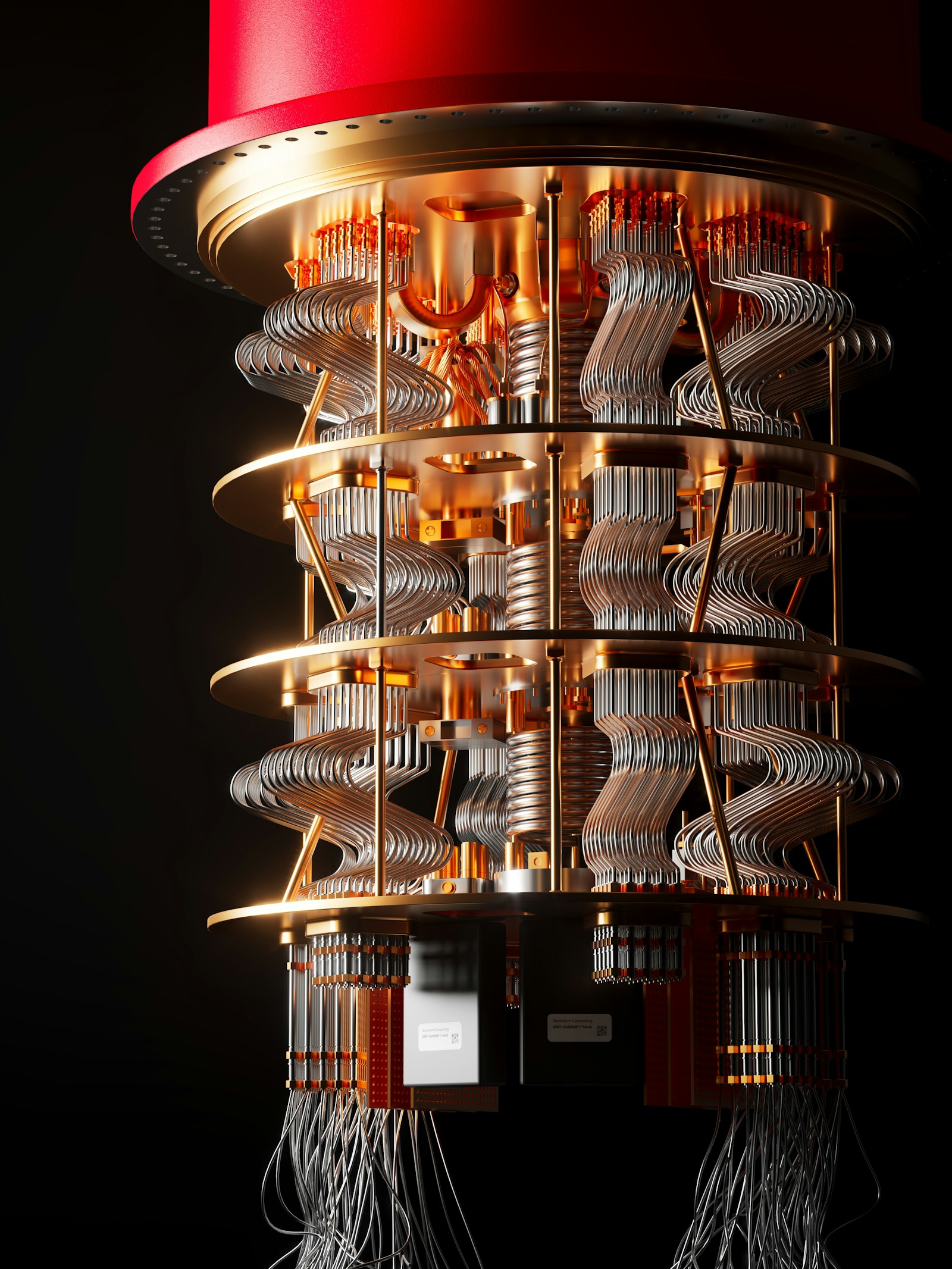
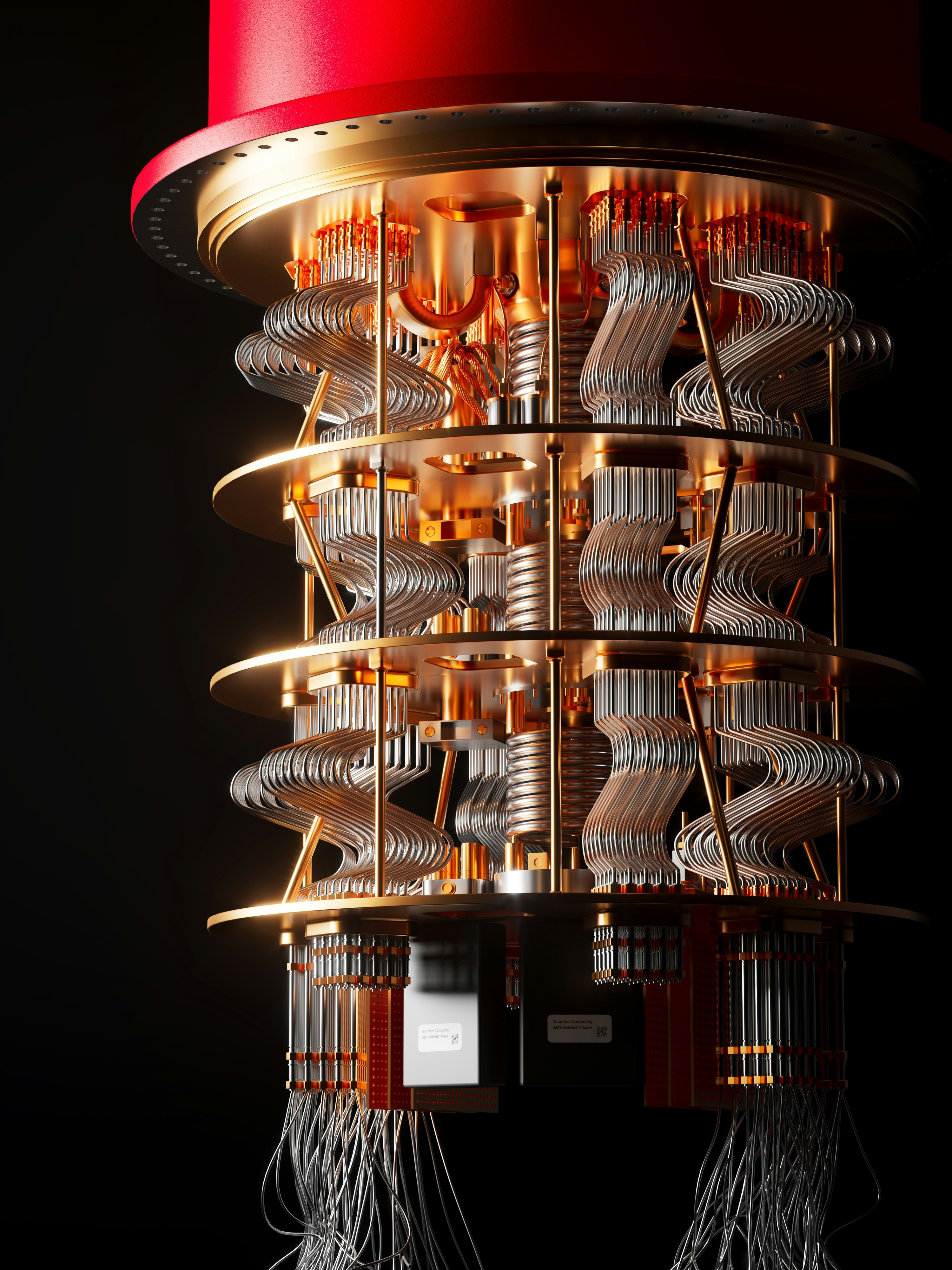
These are electrical circuits chilled to around 15 millikelvin so they behave quantum mechanically. They are fast, with operations measured in nanoseconds, and they can borrow chip-manufacturing methods. The downsides are short coherence times (microseconds), extreme cooling, and wiring that gets complicated as chips grow. IBM, Google, and Rigetti build this way. Google’s Willow chip showed below-threshold error correction in December 2024, and IBM targets 200 logical qubits by 2029.
Trapped Ions
Here, individual charged atoms float in a vacuum, held by electromagnetic fields and manipulated with lasers. Atoms of the same element are naturally identical, so there is no manufacturing variation, and gate fidelity and coherence are strong. The cost is slower operations and trouble linking many traps. IonQ and Quantinuum lead; the overview cites a 99.99% two-qubit gate fidelity prototype from IonQ and 94 error-protected logical qubits from Quantinuum in March 2026.
Neutral Atoms
Neutral atoms are held by optical tweezers, tightly focused lasers that can also rearrange atoms mid-calculation. That flexible connectivity and potential for very large arrays make this approach popular with QuEra and Atom Computing. The downsides are relative immaturity and difficulty controlling each atom precisely at scale. The 6,100-qubit Caltech array mentioned above reported 13-second coherence times and 99.98% control fidelity.
Photonic Qubits
Photonic machines encode information in light. Photons resist decoherence, travel well through fiber, and suit quantum networking, with potential for room-temperature operation. Making photons interact for two-qubit gates is hard, and single-photon detectors still need cooling. Xanadu and PsiQuantum are the names to know, with PsiQuantum targeting fault tolerance by 2029.
Topological Qubits
This is the high-risk bet. Information would be stored in global properties of a system, potentially giving built-in error resistance. Microsoft is the main player, and its Majorana 1 chip drew scrutiny in 2025 because the underlying physics remains contested. Treat claims here as promising but unproven.
Quantum Annealers
D-Wave’s annealers solve optimization problems by letting a system settle into a low-energy state. They offer thousands of qubits (the Advantage2 has more than 4,400) but cannot run general-purpose algorithms such as Shor’s, and a consistent speedup over classical methods is still disputed. That makes them a different category from the others.
Which Approach Will Win?
Nobody knows, and the likely outcome is a mix. The decisive issue is not raw qubit count but error correction, a point we unpack in why quantum error correction is so hard. Different designs may also suit different jobs, a theme in quantum AI and in our look at quantum computer prices.
FAQs
What are the main types of quantum computers?
The main approaches are superconducting, trapped ion, neutral atom, photonic, and topological qubits, plus quantum annealers, which solve a narrower class of optimization problems. Each uses a different physical object as a qubit.
Which type of quantum computer is the most advanced?
Superconducting and trapped-ion systems are the most mature, with companies like IBM, Google, IonQ, and Quantinuum reporting steady progress. Neutral-atom systems are scaling quickly, but no approach has yet delivered a fault-tolerant machine.
Why do superconducting qubits need such cold temperatures?
The circuits must be cooled to around 15 millikelvin so that materials conduct without resistance and show quantum behavior. Heat disturbs the fragile quantum states, which is also why wiring and cooling become hard at large scale.
Is a quantum annealer a real quantum computer?
It uses quantum effects, but it is limited to optimization problems and cannot run general quantum algorithms. Whether it consistently beats classical methods is still debated, so it sits in a separate category from universal machines.
Can I use a quantum computer today?
Yes, through cloud access offered by several providers, mainly for research and experimentation. These machines are not replacements for ordinary computers and are best suited to learning and early-stage testing.









Discussion about this post