


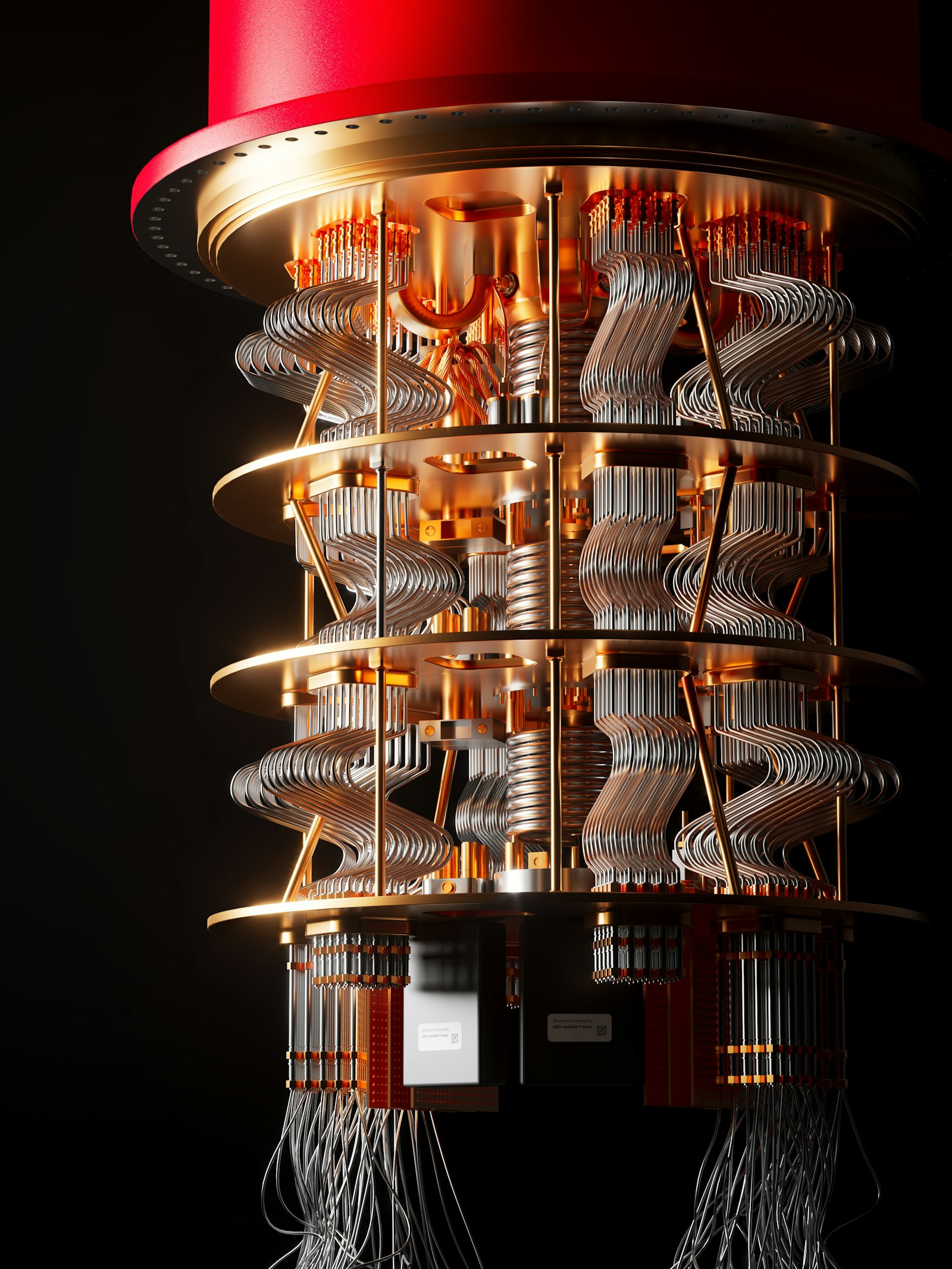
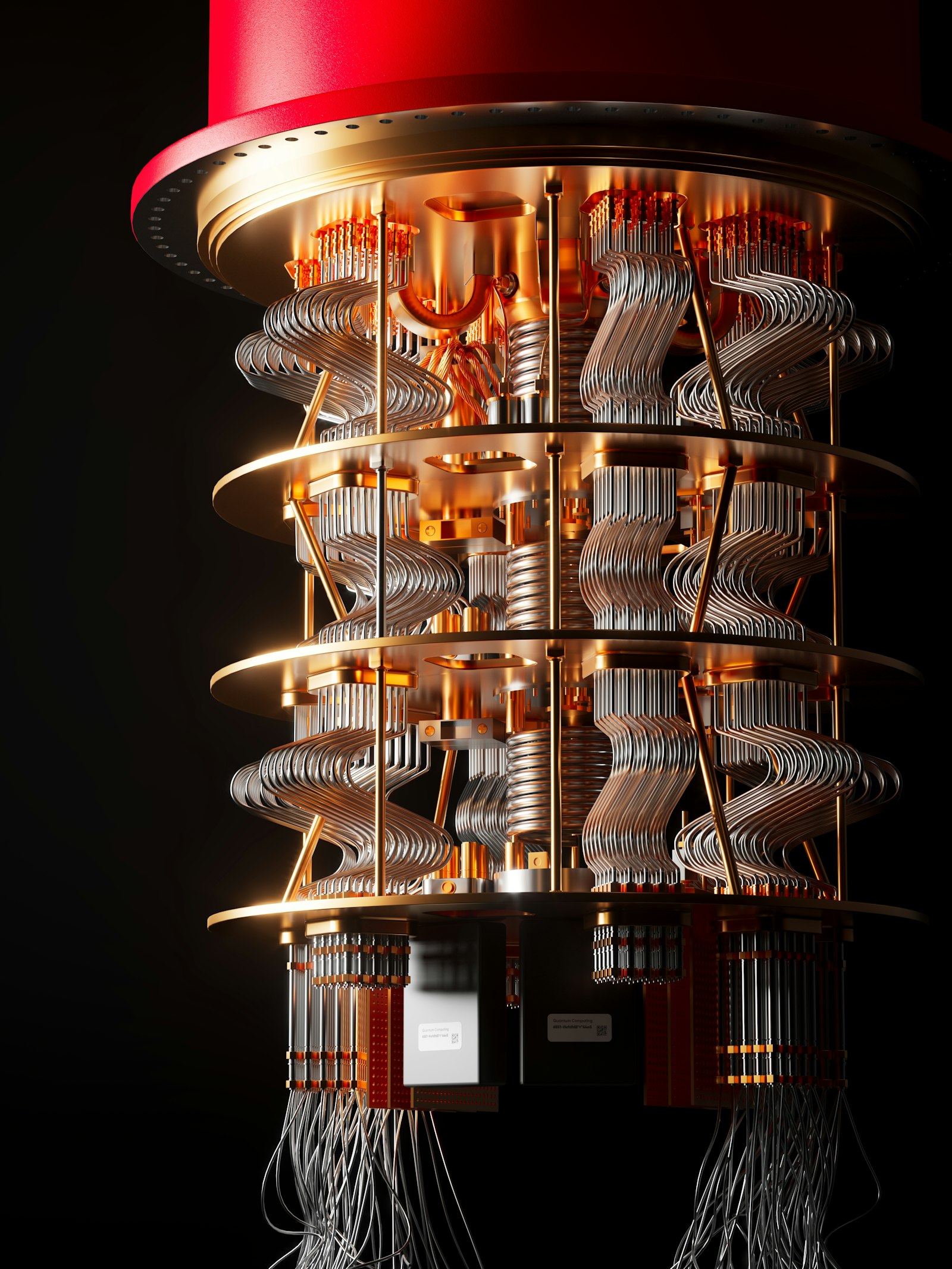
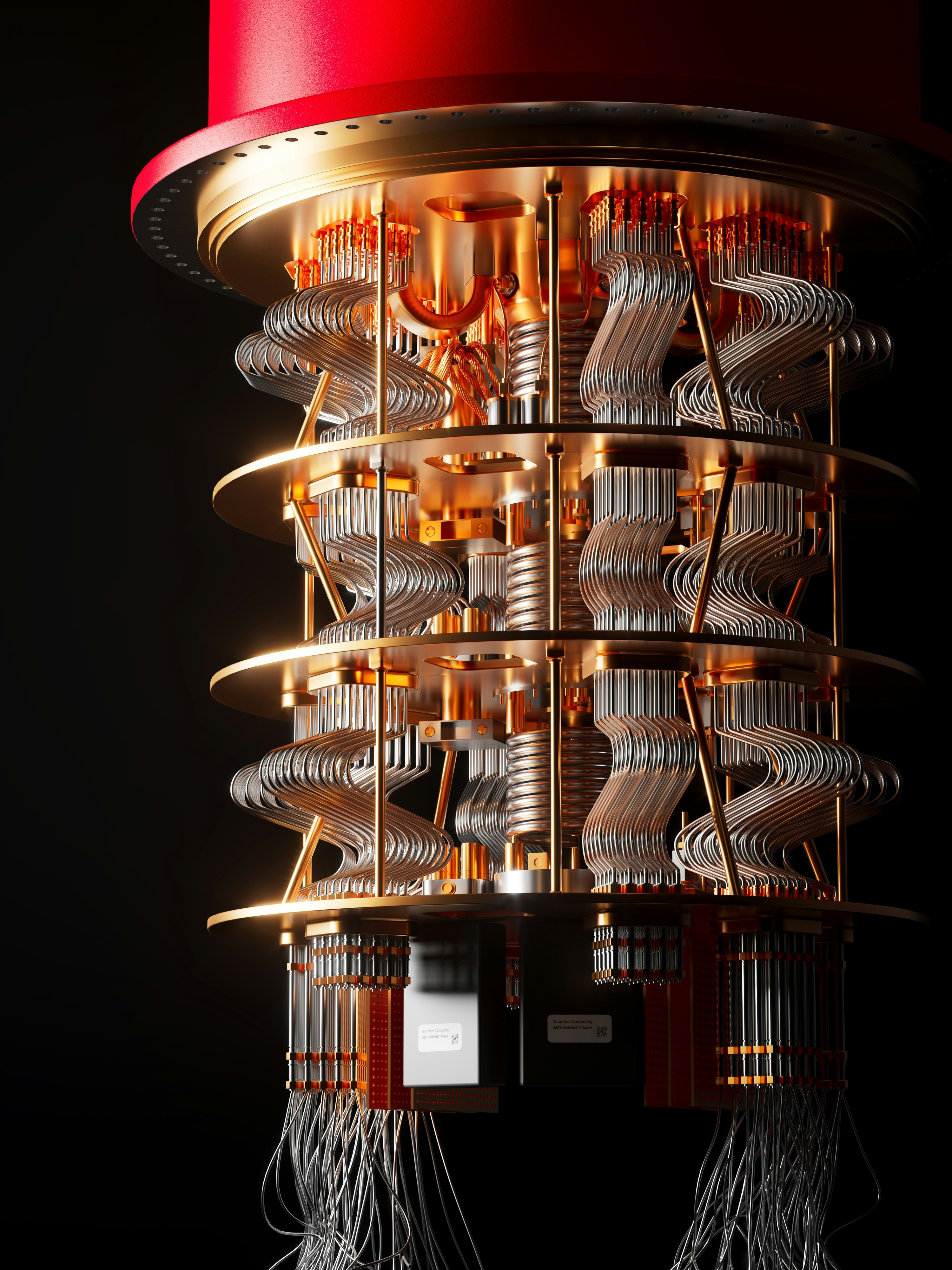
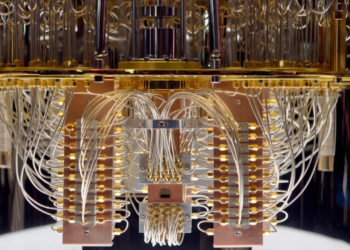
Quantum computing applications are no longer purely theoretical. While a general-purpose quantum computer that outperforms classical machines at everyday tasks is still years away, real companies and research institutions are already running pilot projects on today’s quantum hardware, and a handful of narrow, verifiable results have started to show up. Here’s an honest look at where quantum computing is actually being used right now, not where the hype says it will be someday.
A Quick Recap: Why Quantum Computers Are Different
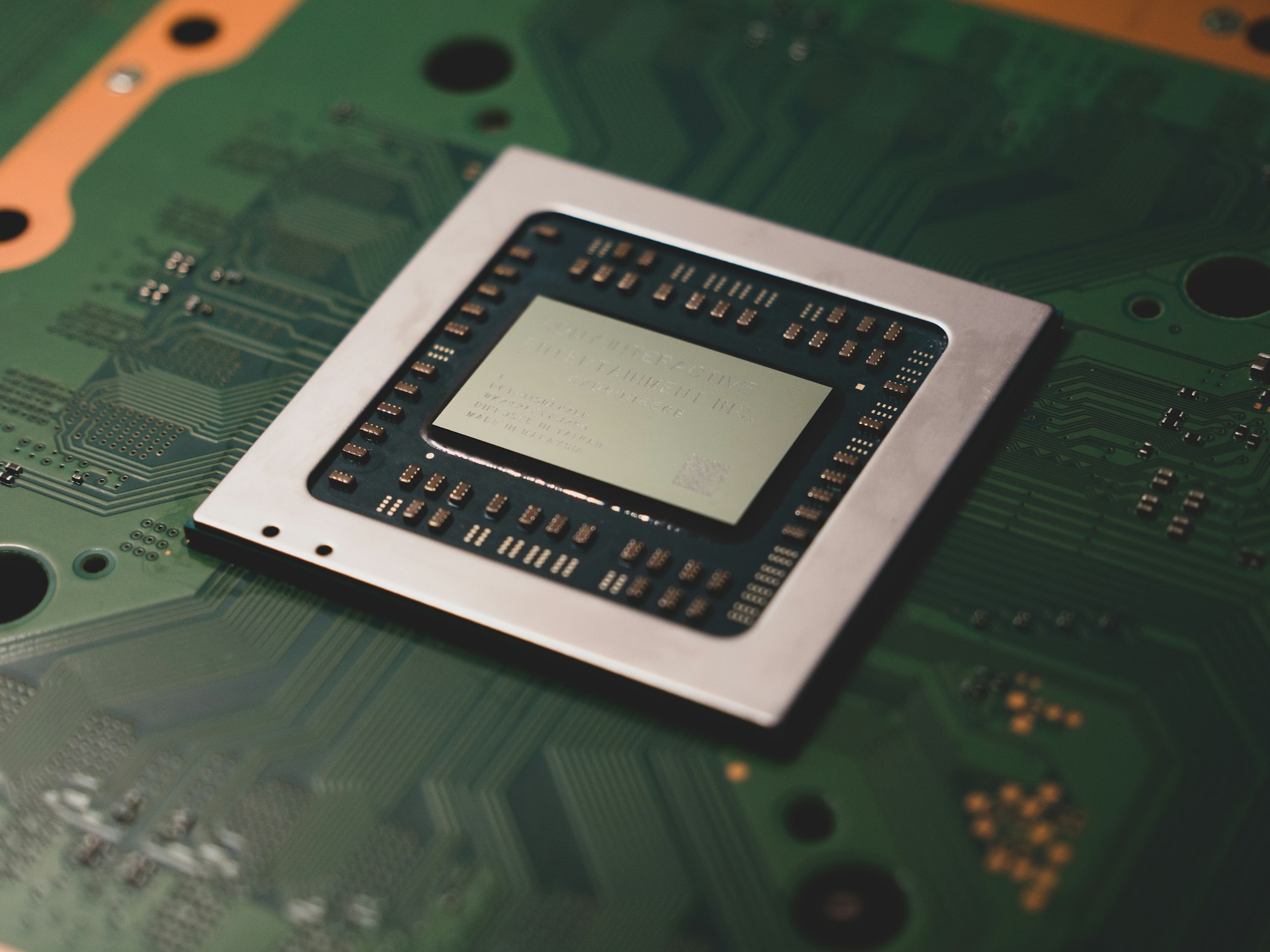
If you need the basics first, our guide on how quantum computing works covers the core concepts in plain language. The short version: classical computers process information as bits that are either 0 or 1, while quantum computers use qubits that can represent combinations of states at once, which in theory lets them explore many possible solutions to certain problems simultaneously. That advantage only shows up for specific kinds of problems, not general computing, which is why quantum computers aren’t going to replace your laptop anytime soon.
Industry Pilots Are Already Underway
IBM’s Quantum Network, which the company describes as connecting more than 300 clients and partners to its quantum hardware and Qiskit software, gives one of the clearest pictures of who’s actually experimenting with this technology today. According to IBM, the network includes financial institutions like Wells Fargo, Crédit Mutuel, and Bradesco, along with Boeing in aerospace, Cleveland Clinic and the Sanger Institute in healthcare and genomics, and energy company E.ON, alongside research partners like Oak Ridge National Laboratory. IBM reports over 100 completed joint technical demonstrations evaluating specific use cases through the network, and more than 5,000 research papers published using its quantum hardware and software.
It’s worth being precise about what this means: these are largely pilot programs and feasibility studies, not production systems replacing classical computing infrastructure. A bank exploring quantum computing for fraud detection or portfolio optimization is testing whether the approach works at all, not necessarily running it in production yet.
A Concrete Research Milestone: Google’s Quantum Echoes
In late 2025, Google’s Quantum AI team announced what it called the first verifiable quantum advantage on a real-world-relevant algorithm, using its Willow chip to run something called Quantum Echoes, an out-of-order time correlator algorithm. According to Google’s official announcement, the calculation ran roughly 13,000 times faster on Willow than the best known classical algorithm running on one of the world’s fastest supercomputers, and crucially, the result is verifiable, meaning it can be reproduced on comparable quantum hardware to confirm the answer.
Google points to a few specific directions this could eventually support: drug discovery, by helping determine how a candidate medicine binds to its target; materials science, by characterizing the molecular structure of things like battery components and polymers; and quantum-enhanced nuclear magnetic resonance (NMR), potentially measuring molecular geometry beyond what current NMR equipment can detect. These are described by Google as a step toward those applications, not a finished product available today.
What’s Still Missing
The gap between “we ran an algorithm faster than a supercomputer” and “quantum computers are solving real business problems at scale” is still substantial. Today’s quantum hardware is noisy, meaning qubits are prone to errors, and building error-corrected, large-scale quantum computers remains an active engineering challenge across every major lab. Most of what’s happening right now, industry pilots, research demonstrations, early-access programs like the ones IBM and Google both run for select partners, is exploratory. That’s not a criticism; it’s how genuinely new computing paradigms tend to develop, with narrow, verifiable wins accumulating before broader practical use follows.
This pattern isn’t unique to quantum computing, either. Our roundup of emerging technologies in computer science covers several other fields, from edge computing to brain-computer interfaces, that are following a similar path from research lab to real-world tool.
Should You Expect This to Affect You Soon?
Not directly, and not yet. If you’re curious about pricing and access to quantum hardware today, our explainer on what quantum computers actually cost breaks down why this remains specialized, expensive infrastructure rather than something you’ll be buying or renting casually. For most people, the more realistic near-term impact is indirect: better batteries, faster drug development timelines, or improved materials, arriving a few years down the line because a pharmaceutical or materials company quietly ran a simulation on a quantum computer today.
The technology is real and the pilots are real, but the timeline to broad, everyday impact is still measured in years, not months. Treat headline claims of imminent “quantum breakthroughs” with a healthy dose of skepticism, and pay closer attention to specific, verifiable results like Google’s Quantum Echoes milestone, since those are the actual signal amid a lot of speculative noise.
How to Follow Real Progress Instead of Hype
A useful filter, when a quantum computing headline crosses your feed, is to ask three questions: is the claim tied to a named, verifiable result rather than a vague promise; is it coming from the lab or company itself rather than a third party summarizing a rumor; and does the announcement specify what the result does and doesn’t mean for practical use. Google’s Quantum Echoes result and IBM’s published client list both hold up well against that filter, because they’re specific, sourced, and honest about what stage of development they represent. A lot of the “quantum breakthrough” content circulating online doesn’t clear that bar nearly as cleanly.







Discussion about this post