

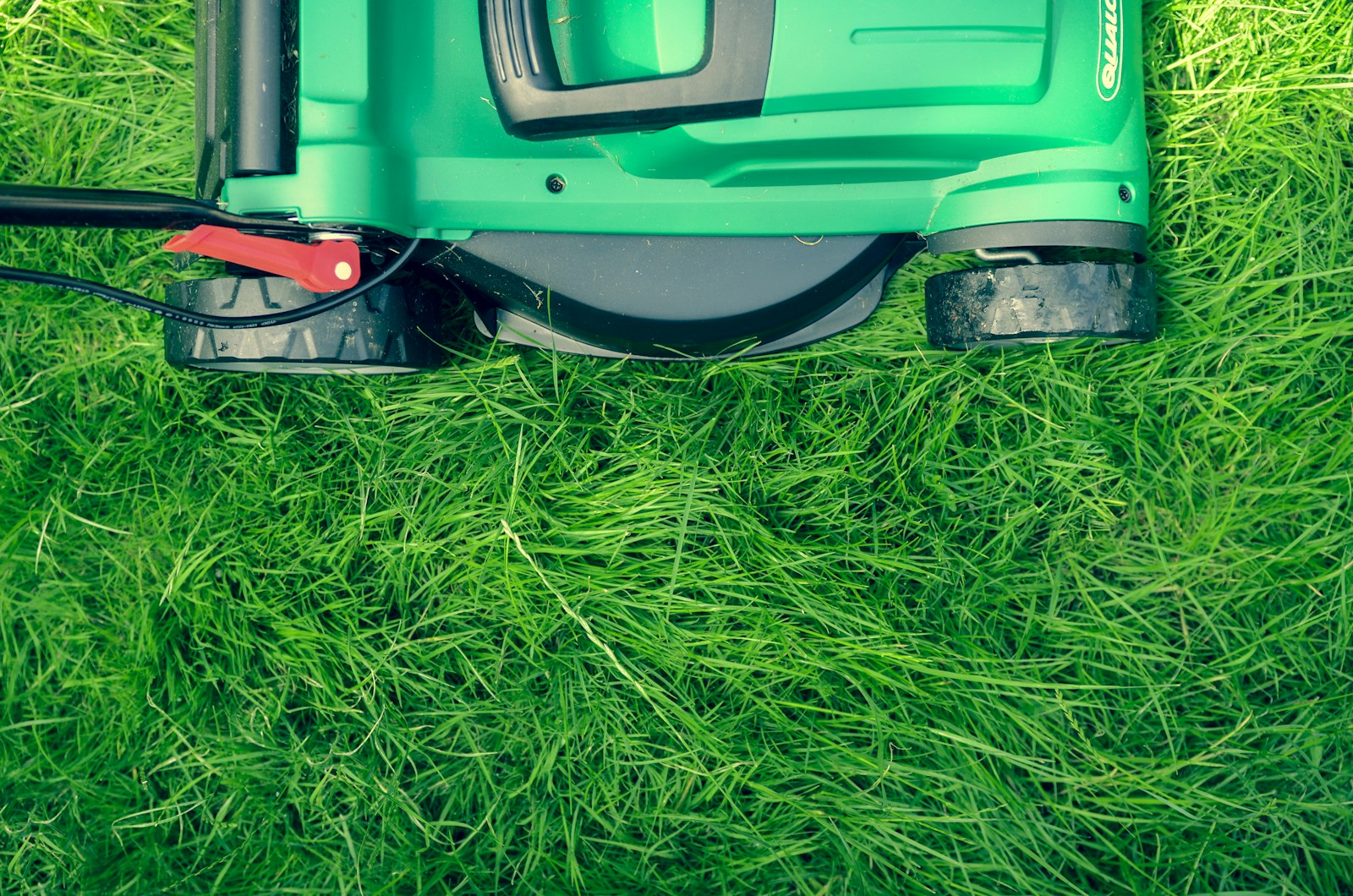
Saturday morning, and the lawn needs mowing again. It needed mowing last Saturday too, and it’ll need it again next week, for roughly six months straight. That repeating chore is exactly what pushed robot vacuums into millions of homes for the floors inside, and the same idea has finally matured enough outside to be worth a real look. Robot lawn mowers now cut autonomously, avoid obstacles, and in several current models, do it without the buried boundary wire that made earlier versions a weekend installation project of their own.
How These Robot Lawn Mowers Find the Edge of Your Lawn
The biggest shift in this category over the past couple of years is navigation. Older robot mowers, and some budget models still sold today, rely on a thin wire buried or pinned around the lawn’s perimeter that the mower senses and stays inside. It works, but installing it is real labor, and moving or resizing a zone means digging the wire up again.
Current flagship models have mostly replaced that with satellite-based positioning instead. Husqvarna calls its version EPOS, for Exact Positioning Operating System, which the company’s own product listing for the Automower 420 iQ describes as using satellites together with the cellular network for centimeter-accurate location, backed by onboard radar for obstacle detection and a virtual boundary you draw rather than bury. Worx takes a related but distinct approach on its Landroid Vision Cloud line: according to the company’s own product page, the Landroid Vision Cloud combines RTK Cloud satellite positioning with onboard cameras and a vision-based mapping system Worx calls V-SLAM, so the mower builds its map partly from what its cameras see rather than relying on satellites alone.
What a Wire-Free Robot Lawn Mower Gets You
Beyond skipping a weekend of trenching, wire-free setup means you can redraw a zone from an app in minutes if you add a garden bed or move a trampoline, something a buried wire makes properly annoying to change. Per Husqvarna’s listing, the Automower 420 iQ handles up to roughly 1 acre of lawn with slopes as steep as 45% inside the mowing zone, runs on a 5 Ah lithium-ion battery that the company rates for about 84 minutes of mowing per charge with roughly 54 minutes to recharge, and includes lift and tilt sensors plus GPS-based theft tracking as standard safety features. Worx’s Landroid Vision Cloud, built for smaller yards up to about 650 square meters according to its own spec sheet, runs a 4 Ah battery with an 80-minute charge time and adds a vision-based feature Worx calls FiatLux for nighttime obstacle sensing, available as standard on some configurations and optional across the rest of the lineup, so check the specific model’s included-features list rather than assuming it’s included.
Smaller Lawn, Smaller Robot: It’s Not One-Size-Fits-All
These two robot lawn mowers sit at deliberately different ends of the category. The Husqvarna is built for a larger, more varied yard with real slope, where its heavier radar-and-satellite setup and higher coverage ceiling earn their premium price. The Worx is aimed at a smaller, flatter suburban lawn where a lighter, camera-assisted mower can do the same core job for meaningfully less money and less hardware installed around the yard. Before shopping by brand name, measure your actual lawn, note its steepest slope, and count any tight corners or narrow side-yard strips a wider mower might not fit through; those three numbers rule out more models than any spec-sheet comparison will.
Connectivity and What the App Controls
Both companies route scheduling, mapping, and zone editing through a phone app rather than physical controls on the mower itself; Husqvarna’s Automower Connect app handles Bluetooth, Wi-Fi, and cellular connections plus smart-home integration, while Worx’s app-based control for the Vision Cloud line adds multi-zone scheduling and weather-adaptive mowing that can skip a scheduled run if rain is detected. That app dependency is worth knowing going in: a mower this automated is also a connected device tied to a company’s cloud service, the same tradeoff covered in our guide to smart home devices more broadly, and losing that app or service down the line would meaningfully reduce what the mower can do on its own.
Battery Math Carries Over From Other Yard Tools
If you’ve shopped for any other battery-powered outdoor equipment recently, the runtime-versus-charge-time tradeoff here will look familiar. The same watt-hour and charging math covered in our electric scooter buying guide applies to a robot mower’s battery too: a bigger pack generally means a longer mowing session before the robot has to return to its dock, at the cost of a longer recharge and, usually, a higher price. For a lawn near a model’s rated coverage ceiling, expect the mower to dock and recharge mid-session rather than finishing in one continuous pass, which is normal and already accounted for in most scheduling apps.
FAQs
Do robot lawn mowers need a boundary wire to work?
Not anymore, on current flagship models. Husqvarna’s EPOS system and Worx’s RTK-and-camera approach both use satellite positioning instead of a buried wire, though some older and budget robot mowers on the market still rely on a physical boundary wire, so check a specific model’s navigation method before assuming it’s wire-free.
How big a lawn can a robot mower handle?
It varies a lot by model. Husqvarna’s Automower 420 iQ is rated for up to roughly 1 acre, while Worx’s Landroid Vision Cloud reviewed here covers lawns up to about 650 square meters, noticeably smaller. Always check a model’s specific rated coverage area rather than assuming every robot mower handles the same size yard.
Is a robot lawn mower safe around pets and kids?
Both mowers covered here include obstacle-detection systems, radar on the Husqvarna and camera-based vision on the Worx, designed to stop or steer around something in the mower’s path. That said, manufacturers still generally recommend supervision when pets or small children are in the yard while the mower is running, since no detection system is described as foolproof by its maker.
How steep a slope can these mowers handle?
Husqvarna’s Automower 420 iQ is rated for slopes up to 45% inside the mowing zone and 15% at the boundary, according to the company’s own listing. Slope tolerance varies by model, and a yard with steep or uneven terrain is worth checking carefully against a specific mower’s rated limits before buying.
What happens to a robot mower in winter?
Most manufacturers recommend bringing the mower and its charging dock indoors for storage once the grass stops growing, since the units aren’t generally designed to sit outside through freezing weather unused. Check your specific model’s manual for its recommended storage and battery-care steps during the off-season.







Discussion about this post