

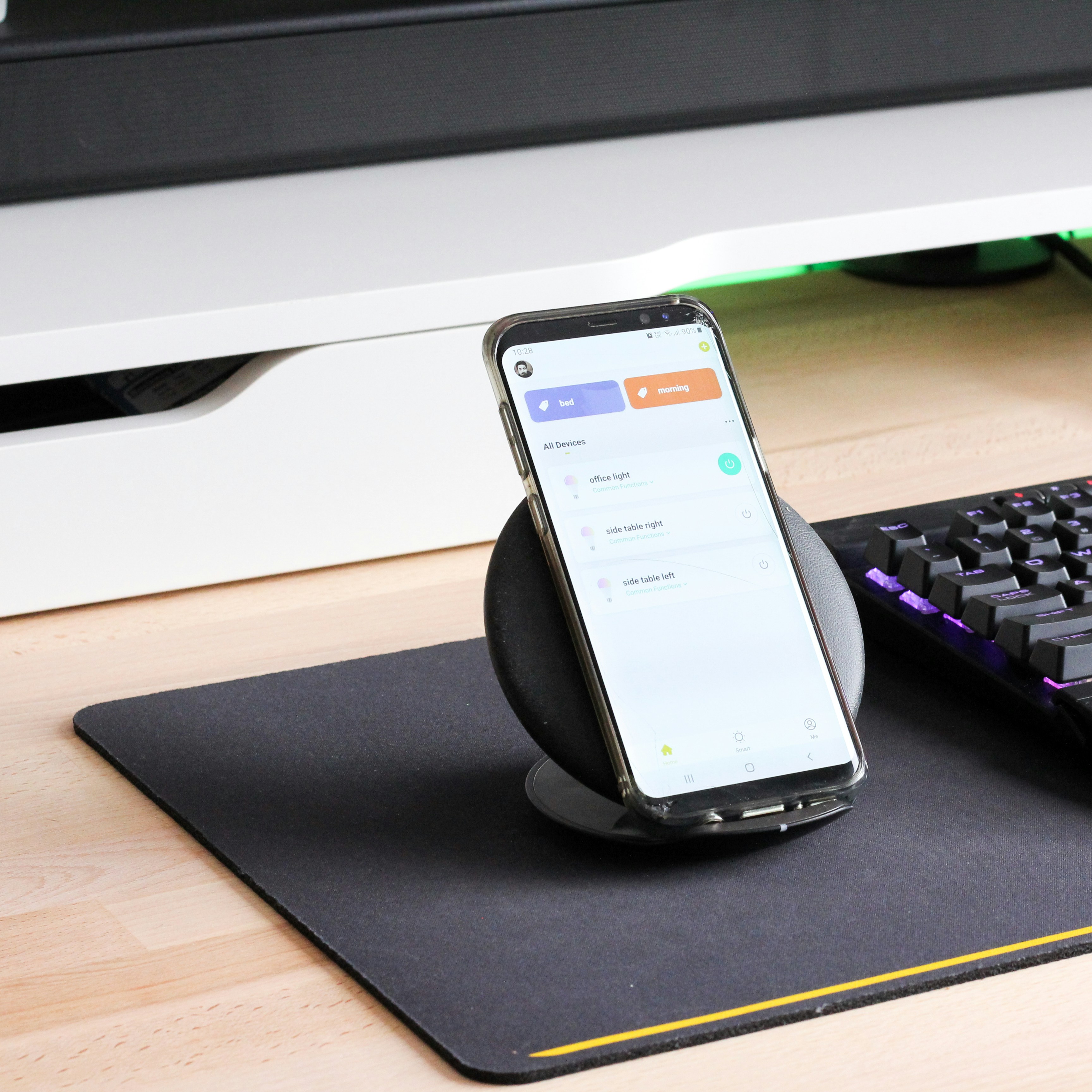
Qi2 wireless charging comes down to a handful of small magnets, and they solve the problem that held the original standard back for years: getting the coil in your phone to line up with the coil in the charger. A few millimeters off, and the old approach could crawl, overheat, or quit without telling you. Magnets turn alignment from luck into a default.
The Problem With Classic Qi
Original Qi charging works through induction: a coil in the pad creates a changing magnetic field, and a coil in the phone picks up that energy. The catch is alignment. When the two coils sit off-center, charging slows, heat rises, or it stops altogether. Case thickness, camera bumps, and pad design all add to the guesswork, which is why early pads often had odd-looking guide marks or multiple coils.
What Qi2 Does Differently
The Wireless Power Consortium, the group that maintains the standard, says Qi2 launched in late 2023 and brought “faster, more convenient, and more energy efficient” certified wireless charging. Its headline feature is magnetic attachment: magnets in the charger and the phone snap together so the coils line up every time. Better alignment means less wasted energy as heat, which is also the reason charging can be more efficient.
If that sounds familiar, it is because Apple’s MagSafe popularized the idea of magnetic phone charging. Qi2 turns the approach into an open, certified standard that other brands can build on, so chargers and accessories from different makers are meant to work together.
Qi2 25W: More Power, Same Idea
A later version, Qi2 25W, keeps the magnetic attachment and raises the ceiling. According to the consortium, it delivers nearly 70% more power than the original Qi2, and the first certified devices were slated to reach retail in late summer 2025. Whether your phone can use that extra power depends on the phone itself. A charger’s maximum rating is a ceiling, not a promise, so check your phone maker’s specifications before paying extra for a faster pad.
What You Need to Check Before Buying
- Certification. Look for the Qi2 or Qi2 25W mark on the box or product page rather than relying on marketing phrases like “magnetic compatible.”
- Your phone’s support. Some phones have magnets built in, while others need a magnetic case to line up properly. Confirm which applies to yours.
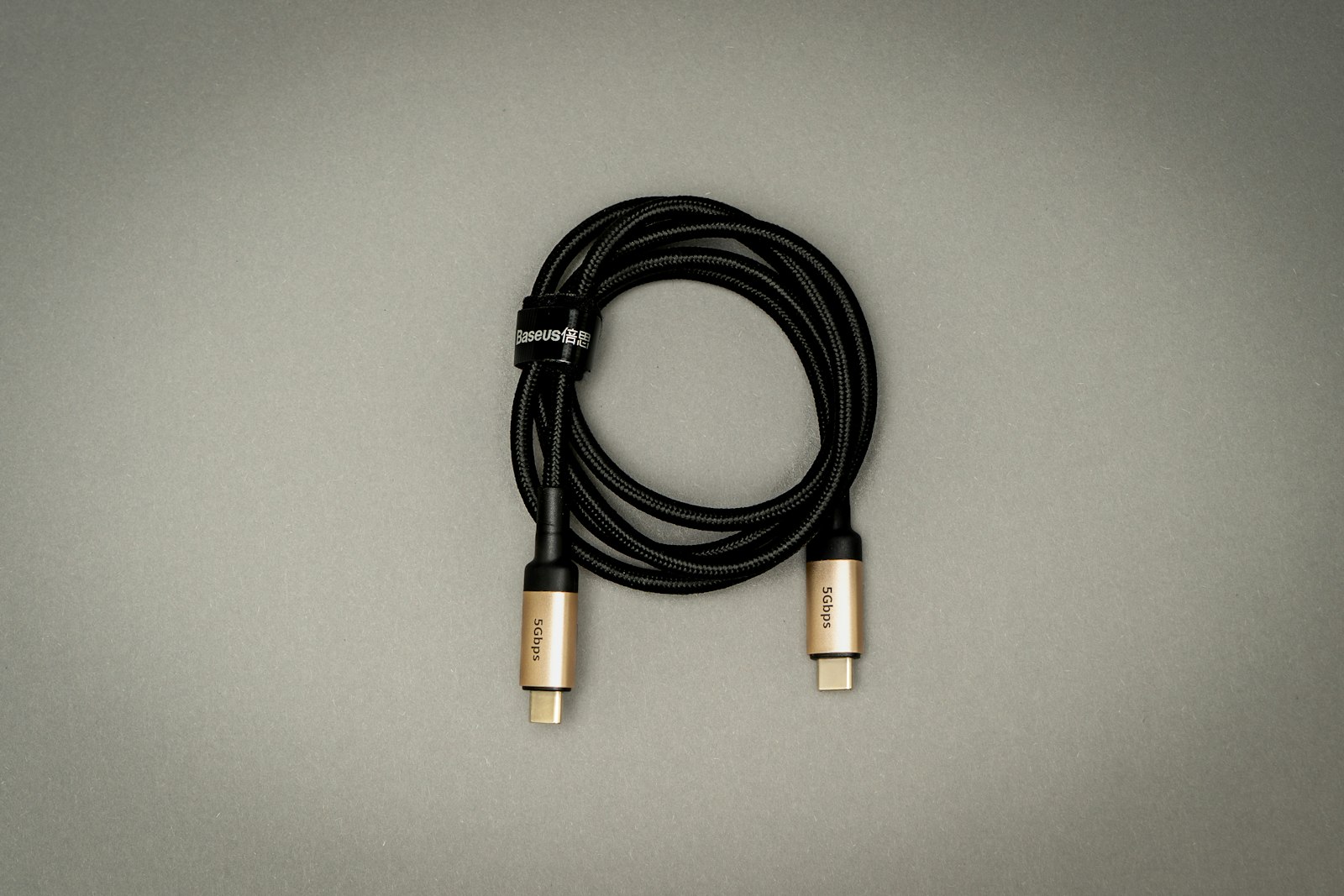
- The power adapter. Many wireless chargers still need a suitable USB-C wall adapter to reach their top speed. Our guide to USB-C charging and why it became the standard explains what to look for in a charger and cable.
- Your case. A thick or metal-plated case can weaken the magnetic grip and slow charging.
Where Wireless Still Falls Short
Even with perfect alignment, wireless charging loses some energy as heat, so a good cable is usually faster and more efficient. Wireless wins on convenience: a nightstand dock, a desk stand that holds your phone upright for video calls, or a car mount that charges as it grips. If speed is your priority on the road, a power bank with a cable is still hard to beat, as we covered in our roundup of portable chargers worth buying.
Compatibility is the other thing to watch. Not every phone supports Qi2 yet, and the phones that do may not support the 25W tier. If you are shopping for a new device and want wireless charging to be part of the decision, our smartphone picks are a reasonable place to start comparing, though you should confirm Qi2 support on the maker’s own page.
FAQs
Is Qi2 the same as MagSafe?
They share the same core idea of magnets aligning the charger and phone, but Qi2 is an open standard maintained by the Wireless Power Consortium, so certified products from many brands are designed to work with it.
Will a Qi2 charger work with my older Qi phone?
Often it can still charge, but without magnets in the phone or a magnetic case you lose the automatic alignment, which is the main benefit. Check the charger’s compatibility notes before buying.
Do I need a special case for Qi2?
If your phone does not have magnets built in, a magnetic case helps it snap into place. Thick or metal cases can interfere with the grip and with charging speed.
Is wireless charging worse for battery health?
Heat is the main concern for any battery. Better alignment reduces wasted energy as heat, which is one of Qi2’s goals, but no standard removes heat entirely, so avoid charging under pillows or in direct sun.








Discussion about this post