

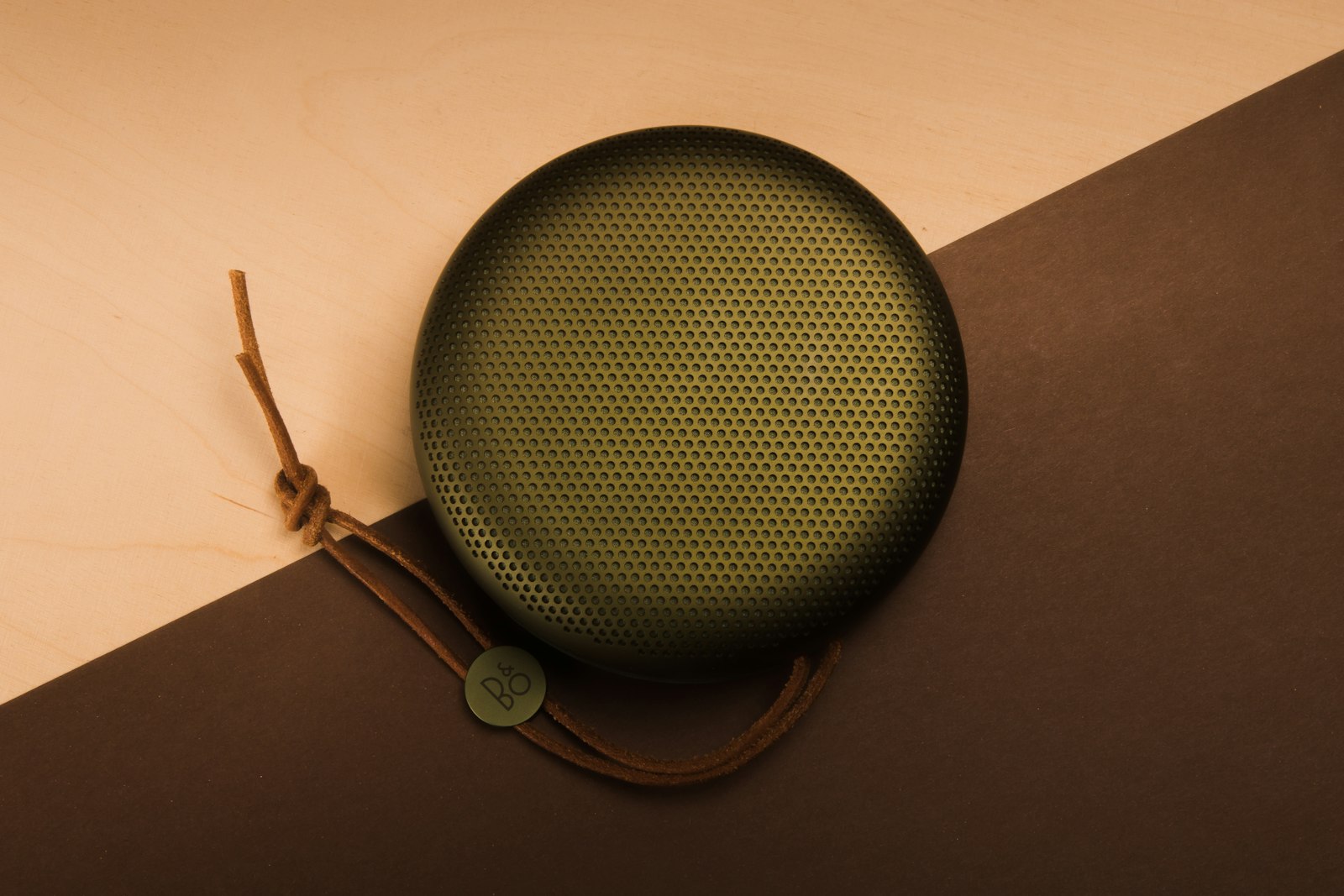
Two speakers sit side by side on a shelf, both labeled waterproof, both promising all-day battery, one costing three times the other. Which one survives a pool party? The labels will not tell you, but the fine print will. This roundup of the best portable Bluetooth speakers to consider is built around that fine print: the ratings and specs that separate a speaker that shrugs off splashes from one that quits after a drizzle.
A note on method: this is a buying guide compiled from manufacturer pages, not a hands-on review. We did not test these speakers ourselves, and the prices below are the figures listed by the manufacturers at the time of writing. Street prices move often, so check the current price before buying.
Read the Water Rating Before the Marketing
“Waterproof” on a box means very little without a number. The IP code is the number that matters. The first digit covers dust and the second covers water. As an example, Sonos lists its Roam 2 at IP67, dustproof and waterproof, with the speaker able to be submerged in about 1 meter of water for up to 30 minutes. That is a specific, testable claim. By contrast, JBL’s category page describes many of its models in looser terms such as “waterproof,” “drop-proof,” or “splashproof” without listing a rating on the listing itself, so look at each model’s spec sheet for the actual IP code before assuming it will survive a dunk.
Battery Life Claims Are Estimates
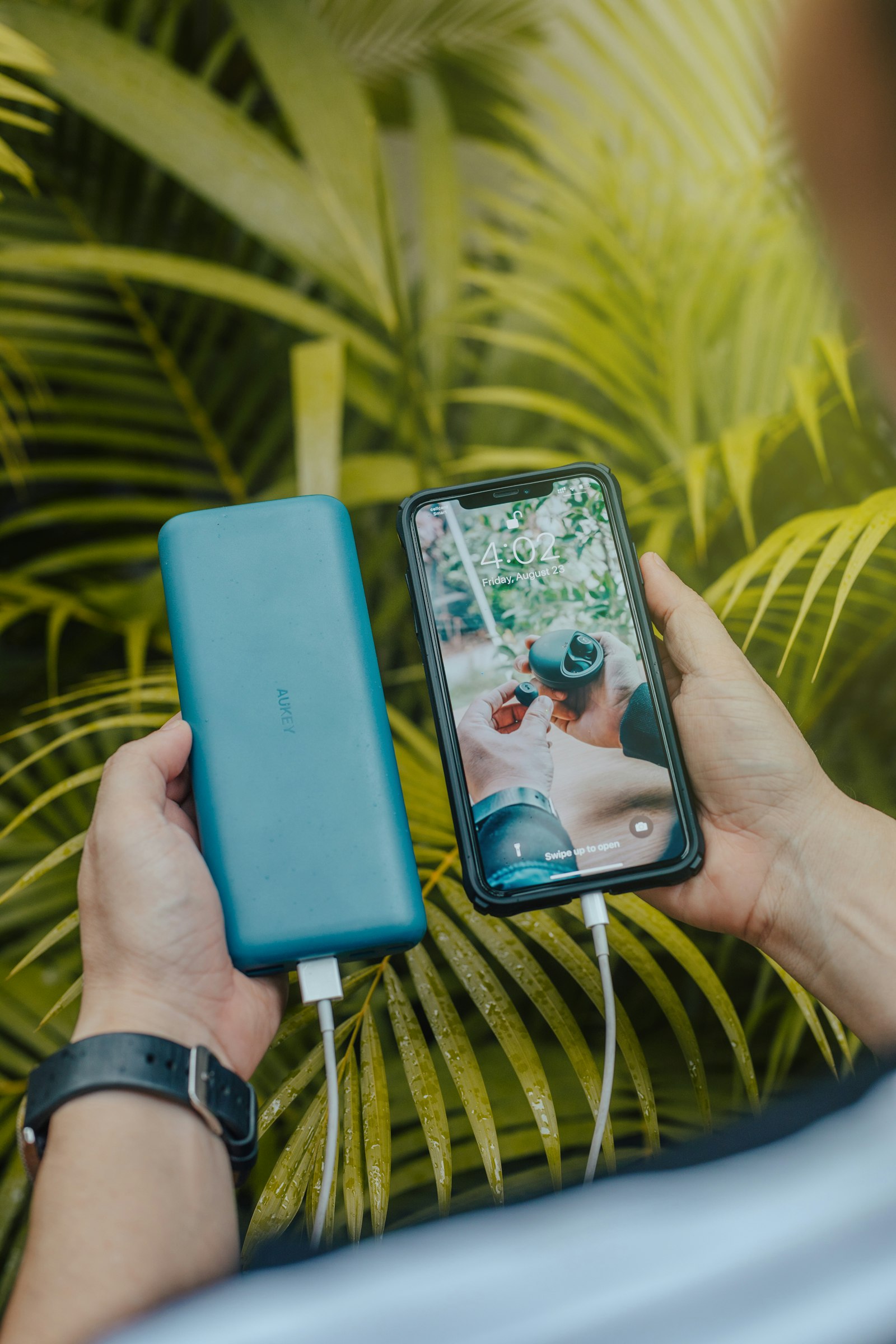
Battery numbers come from controlled conditions. Sonos, for instance, says the Roam 2 delivers up to 10 hours of continuous playback at moderate volume, and adds that battery life varies by use, settings, and environment. Play loud outdoors with bass boost and you will see less. If you want a speaker for a full day at the beach, look for a larger battery or one that can charge a phone, and keep a USB-C cable in your bag. Our roundup of portable chargers can help if you want a backup power plan.
A Few Models Worth Considering
Instead of a ranking, here is a short list of well-known options with the facts the manufacturers publish, grouped by what they are good for.
- Sonos Roam 2 (listed at $179). A compact, travel-oriented speaker with the IP67 rating described above, Bluetooth 5.2, USB-C charging, and a weight of about 0.95 pounds. Sonos lists its dimensions at roughly 6.6 inches tall and 2.4 inches wide.
- JBL Flip 7 (listed around $129.95 to $149.95). JBL describes it as a portable, waterproof, drop-proof speaker with its “JBL Pro Sound.” It is the mid-size, mainstream pick in the brand’s lineup.
- JBL Go 5 (listed around $54.95). JBL’s entry-level option, described as compact, waterproof, and drop-proof. It suits a backpack pocket, a shower, or a desk.
- JBL Charge 6 (listed from roughly $149.95). The Charge line is JBL’s larger portable speaker series, aimed at louder outdoor listening. Check the current listing, since JBL shows more than one price variant.
JBL’s page shows several price sets for some models without saying which variant each applies to, so treat those prices as a range and confirm on the product page.
Size Decides More Than Brand
Physics sets the ceiling. A pocketable speaker cannot move as much air as a larger one, so bass and maximum volume improve with size, while portability falls. Here is a simple way to choose:
- Pocket-size: best for desks, showers, and solo travel. Expect modest bass.
- Mid-size: the sweet spot for picnics and small gatherings, with fuller sound and longer battery.
- Large party speakers: loud and heavy, built for groups, and often with handles or wheels.
Features That Are Easy to Overlook
- Stereo pairing. Many brands let you link two speakers for wider sound, though usually only within the same brand.
- Shared listening. Newer standards let a speaker join a broadcast group. Our explainer on Auracast shows how that works.
- Wi-Fi mode. Some speakers add Wi-Fi for better quality at home, which is separate from the Bluetooth connection you use outdoors.
- Charging port. USB-C is now the common standard, and it means one cable can serve your phone and speaker. See our explainer on USB-C charging for why not all cables behave alike.
- Replaceable parts. A speaker with a sealed battery will eventually wear out, so check warranty length.
Speaker or Headphones?
If you mostly listen alone, a pair of earbuds or headphones will usually sound better for the money and bother nobody else. A speaker wins when you want to share music, fill a room, or leave the phone on a table. If you are still deciding, compare with our guides to noise-cancelling headphones and wireless earbuds.
FAQs
What does IP67 mean on a Bluetooth speaker?
IP67 means the speaker is sealed against dust and can withstand being submerged in shallow water for a limited time. Sonos, for example, states its Roam 2 can be submerged in about 1 meter of water for up to 30 minutes.
How long should a portable Bluetooth speaker’s battery last?
Around 10 hours is a common claim for compact models, though manufacturers measure at moderate volume. Louder playback, bass boost, and cold weather all shorten it.
Is a more expensive Bluetooth speaker always better?
Not always. Price often reflects size, battery, and build quality rather than sound alone, so a mid-priced speaker that fits your use can beat a pricier one you carry rarely.
Can I pair two Bluetooth speakers together?
Often yes, but usually within the same brand or product line. Check the manufacturer’s pairing feature before buying a second speaker.
Do portable speakers work without a phone nearby?
They need a source device in Bluetooth range, which is typically around 30 feet in open space. Some models also support a wired input or Wi-Fi streaming as alternatives.



Discussion about this post